


A creative storytelling angle showing how clearing text allows expressions, pacing, and visuals to carry the message more powerfully. What if the strongest possible action you could take with video storytelling is… to take something away? Do not add a filter. Do not add subtitles. Do not add special effects. Just clean up the clutter. In an ocean of overlays, subtitles, stickers, and callouts, the trend of minimalism has turned the tables to become an act of defiance. Enter the distraction detox: a mindset where stories are told through vision, expression, timing, and feeling.
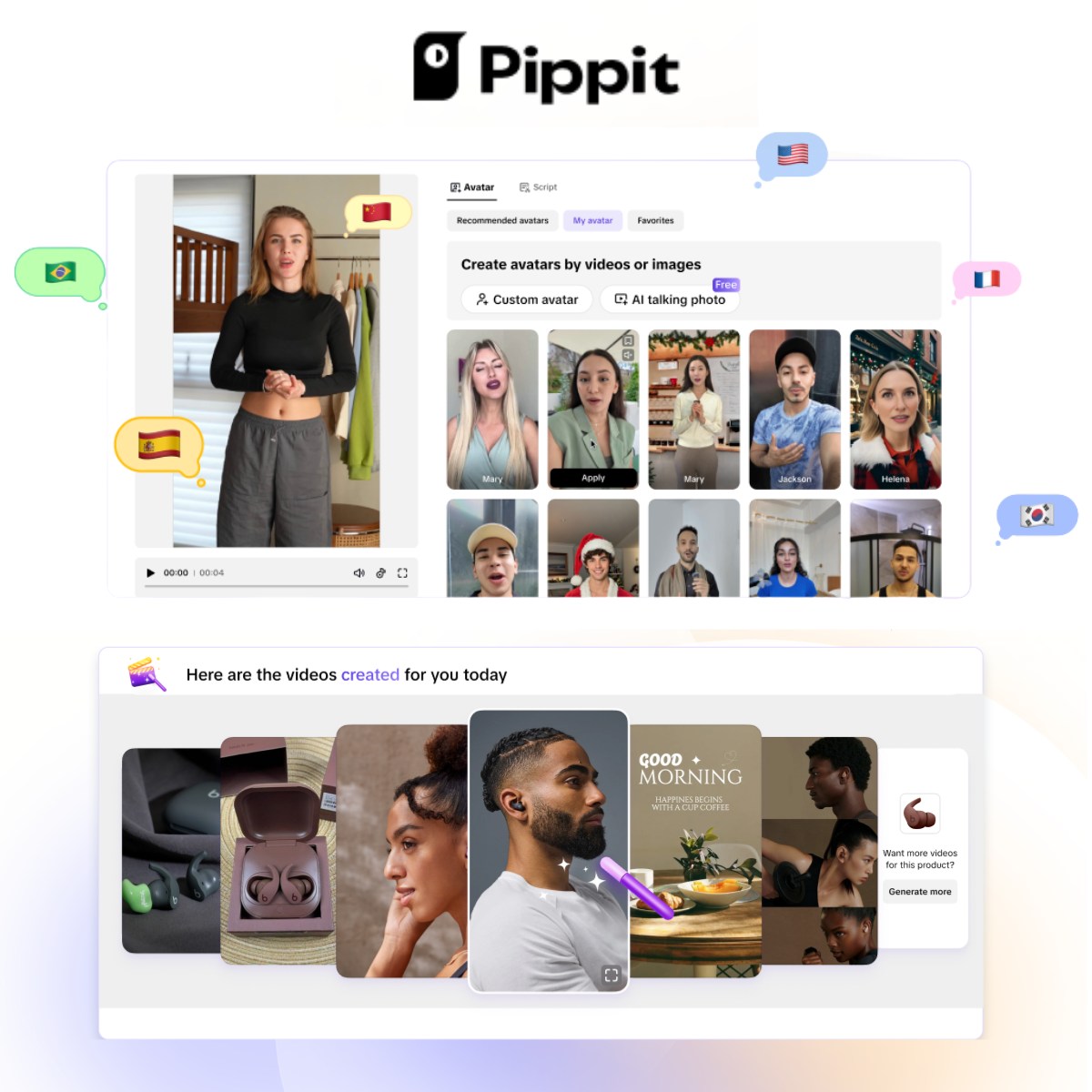
The key to this transformation is Pippit, a creation platform for storytellers seeking simplicity without sacrificing simplicity. It offers tools such as the AI storyboard generator that enables the author to first think in terms of emotional notes before focusing on precision. The reason is simple—when you tell good stories, you do not have to shout about it.
When Words Get in the Way of Feeling
Text is useful. Or essential. More often, it’s a crutch. Consider the last video you were powerfully moved by. The captions likely had little to do with it. It was the pause before someone spoke. The look in their eyes. The rhythm of cuts. The silence that let meaning sink in.
On-screen text competes for attention. The human brain can either read or feel deeply—but rarely both at once. When text dominates the frame, it tells viewers what to think instead of letting them experience the moment.
Detoxing your visuals lets emotion breathe
Faces, Frames, and Feelings: Letting the Camera Do the Talking. Great storytelling is visual first. When you take away textual distractions, three powerful elements step forward:
1. Phrases become the title
An arched eyebrow, a stiffened jaw, a flicker of a smile-these micro-instants say more than words ever could. Without text to distract, the audience intuitively reads faces.
2. Pacing finds its rhythm
Text forces timing. It tells viewers when to pause and when to move on. Without it, pacing becomes organic. Cuts linger where they need to. Silence stretches just long enough to feel meaningful.
3. Visual metaphors finally arrive
A slow zoom. A wide shot that isolates a subject. A shift in lighting. These are cinematic tools that work only if the screen isn’t crowded. And so, clearing away text allows symbolism to have its quiet time.
The confidence test: Does your story survive without text?
Try this easy, creative project: Turn off captions. Hide all your overlays. Watch your video. Is it all still relevant? What does it still feel like?
Yes: You’ve written a story that believes in its audience. No: What you need isn’t more words. It needs better images. It’s about the point where many people who create content get stuck. They know they have to cut content, but the process sounds either too technical, too ugly, or too expensive to reverse. This is exactly where having the right solutions makes all the difference.
Cluttered to cinematic: A soft transition for creator mentality
Text deletion is not about subtracting meaning. It is about redistributing meaning.
Rather than explaining:
• You demonstrate
• You frame
• You pace
Instead of trying to tell audience members what to feel, you are inviting them to feel it in your own way. And it is in creating a need for emotional buy-in that stories are made to stick.
A Creative Reset Button: How Pippit Aids in Unloading the Noise with Ease
The application process from theory to practice is really not scary. Pippit integrates the process of cleaning up the image into the creative process. Ready to detox your footage to make emotion the focal point? Here’s how the procedure works.
Step 1: Launch the video editor and enter the story
Removing texts from videos using AI for free: You need to register at Pippit by logging in with Google, TikTok, or Facebook accounts and selecting “Video Generator,” “Smart Tools,” or the option to the left. You have to select “Video editor,” drag the video, or select the option to upload from your computer.
Step 2: Erasure of Frame and Recapturing Emotional Attention
After establishing and duplicating Click Select Smart Tools, click Auto Reframe. Select the Aspect Ratio, whether Manual Crop or Auto Reframe, then Apply to cut the video to the desired length while removing the watermark, font, or subtitles. You can also just click Remove Background and toggle Auto Removal on to remove text from video. Next, press “Background” and choose a color or move over to Elements to place a photo/video over the background.
Step 3: Share the story as it was meant to be felt
Simply click “Export” located in the top right corner of the screen and select “Publish” and “Download.”Select export preferences and then “Export” to download the video from the website to your computer. What Comes Out of the Editor Isn’t Just a Cleaner Video, It’s a Truer One
Authoring the Void: What it Means
“It’s going to look empty”: This fear revolves around taking away content. The consequence would be empty footage. But it actually fills space. And emotion happens in space. Smart compositing tools, such as a transparent background maker will still enable you to create your designs thoughtfully without cluttering the image. A balance is sought here. Each image should have a reason for being there.
The Quiet Power of Trusting Your Audience
When you stop trying to explain everything, something interesting happens. People lean in. They interpret. They put their feelings about it into this story. That engagement is much deeper than any bold text. This is what emotional storytelling is all about—not control, but trust.
The Final Frame: Detox Your Images, Amplify Your Story
The distraction detox is not a trend. It’s a return to the basics. Simple visuals. Authentic pace. Feel instead of explain. Give Pippit a try, and you’ll see why it’s so loved for simple pages and complicated spreads. Creators are no longer forced to pick between simplicity and complexity.
You receive just the right tools to respect the time and story you’re working with, getting rid of the pieces that don’t contribute to the message, so the rest. It’s time to make a statement with your visuals if you are prepared for them to speak louder than your text. Open your Pippit and cut through all the noise to share a story that your audience can feel.