

Google Keyword Planner and Ubersuggest are free and do the job when you are new or on a limited budget. However, paid tools such as Ahrefs and SEMrush are needed when you are targeting difficult keywords or in cases where you have numerous sites- they help you to see what your competitors are doing and offer credible information. You have nothing to lose and you can start free, get to know the basics and upgrade when your SEO efforts begin to pay off.
The most important feature of any successful SEO strategy in the massive digital environment of the year 2026 is the use of keyword research. It is not merely about choosing the words you sprinkle over your content, but about really knowing the language of your audience seeking answers, products, or services. The selection of the appropriate keyword research tool can be the key to the difference between being buried in the deep end of the search results or appearing shining on the first page. In this review of the debate between free and paid keyword research tools, this blog will demystify it, letting you understand which option best fits your SEO objectives and budget in this constantly changing year.
What is Keyword Research and Why Is It Essential to SEO in 2026?
Keyword research refers to the procedure of discovering the words and phrases that people type into search engines to get what they want online. Imagine that it is like a bridge between what you are saying and what your audience is asking and what they are interested in. This process is more active and subtle in 2026 than ever.
The emergence of artificial intelligence (AI) search algorithms and voice bots has completely changed the fundamentals of keyword research from just matching a word with a word to understanding the intent and the context of any search query.
Individuals do not search with short phrases any more. Rather, they ask more specific and conversational questions that happen to be long and detailed.
Good keyword research is not just about great rankings. It will shape your whole content approach and will help you develop relevant, interesting, and customer-centric content that suits the requirements of your audience. It draws quality traffic to your site, and the likelihood of your visitors becoming customers is improved.
In a competitive digital world, understanding how to conduct keyword research is essential for anyone who cares about the success of SEO in 2026.
Free Keyword Research Tools – Features, Benefits, and Limitations
Starting your SEO journey with zero investment? Well, you are not alone. These free tools can give you solid insights without the monthly subscription fees. Here are the top picks that will definitely not cost you a penny.
1. Google Keyword Planner
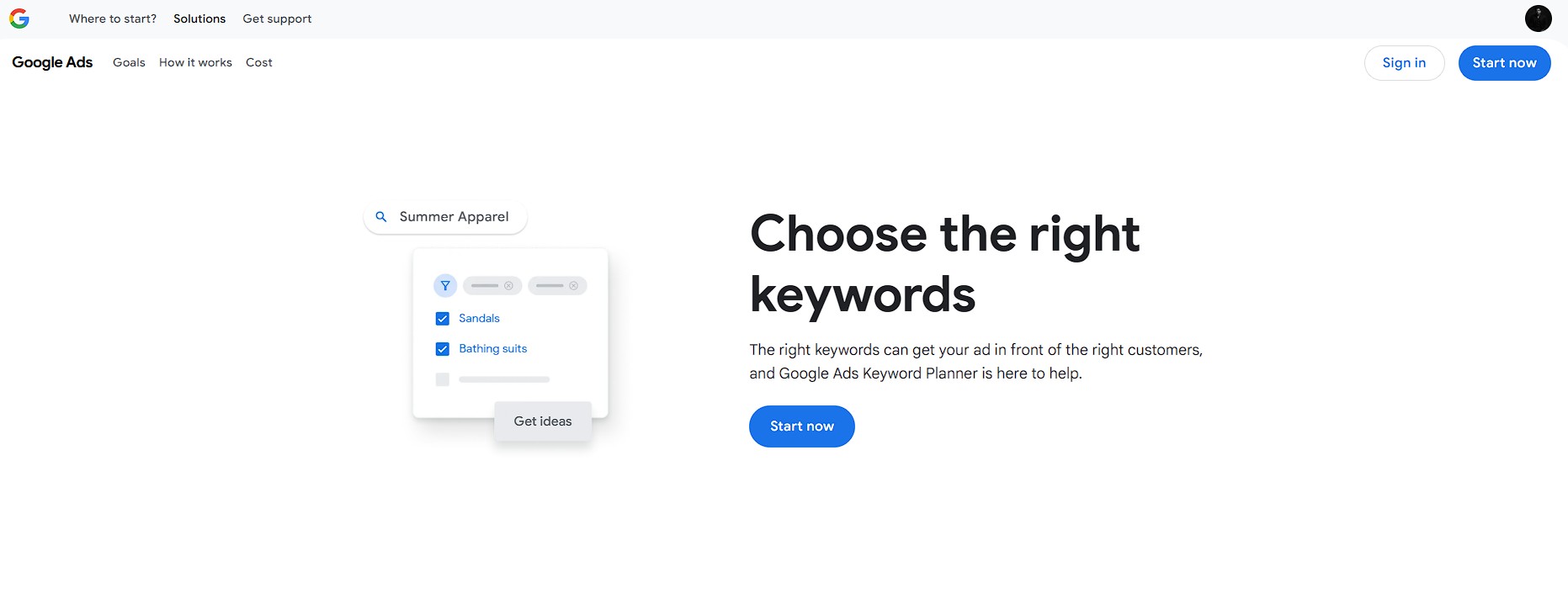
This is straight from the horse’s mouth i.e., Google itself. You get keyword ideas, search volumes, and competition levels all in one place.
What’s great?
- Data comes directly from Google (can’t get more reliable than that)
- Perfect for understanding local vs. global search patterns
- Completely free with any Google account
What is not that good?
- Shows search volume ranges instead of exact numbers
- Fewer keyword suggestions compared to premium tools
- Built for advertisers, so it’s not the most SEO-friendly interface
2. Ubersuggest
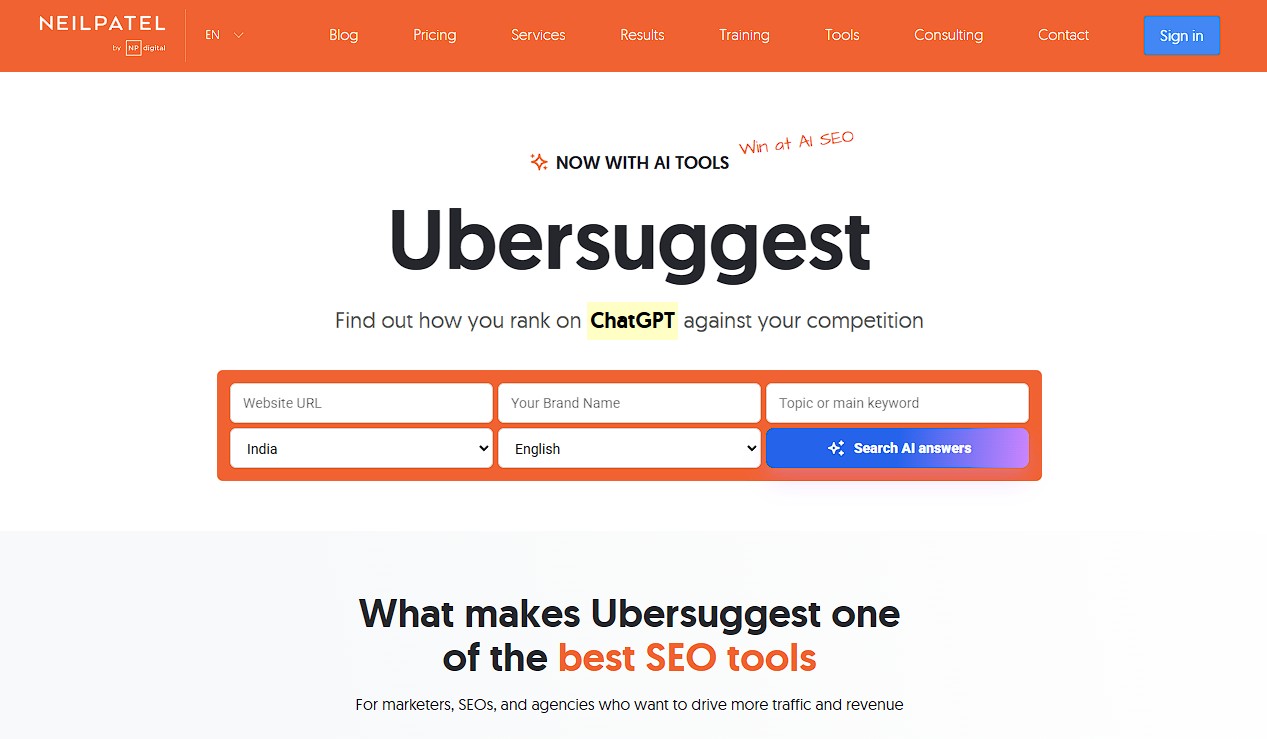
Neil Patel’s creation offers keyword suggestions, search volumes, and difficulty scores in a clean, easy-to-navigate dashboard.
The Goods
- Super user-friendly & no learning curve here
- Shows keyword difficulty scores even in the free version
- Bonus content ideas and backlink data
The Bads
- Limited daily searches on the free plan
- Data might not always match up with premium tools
3. Soovle
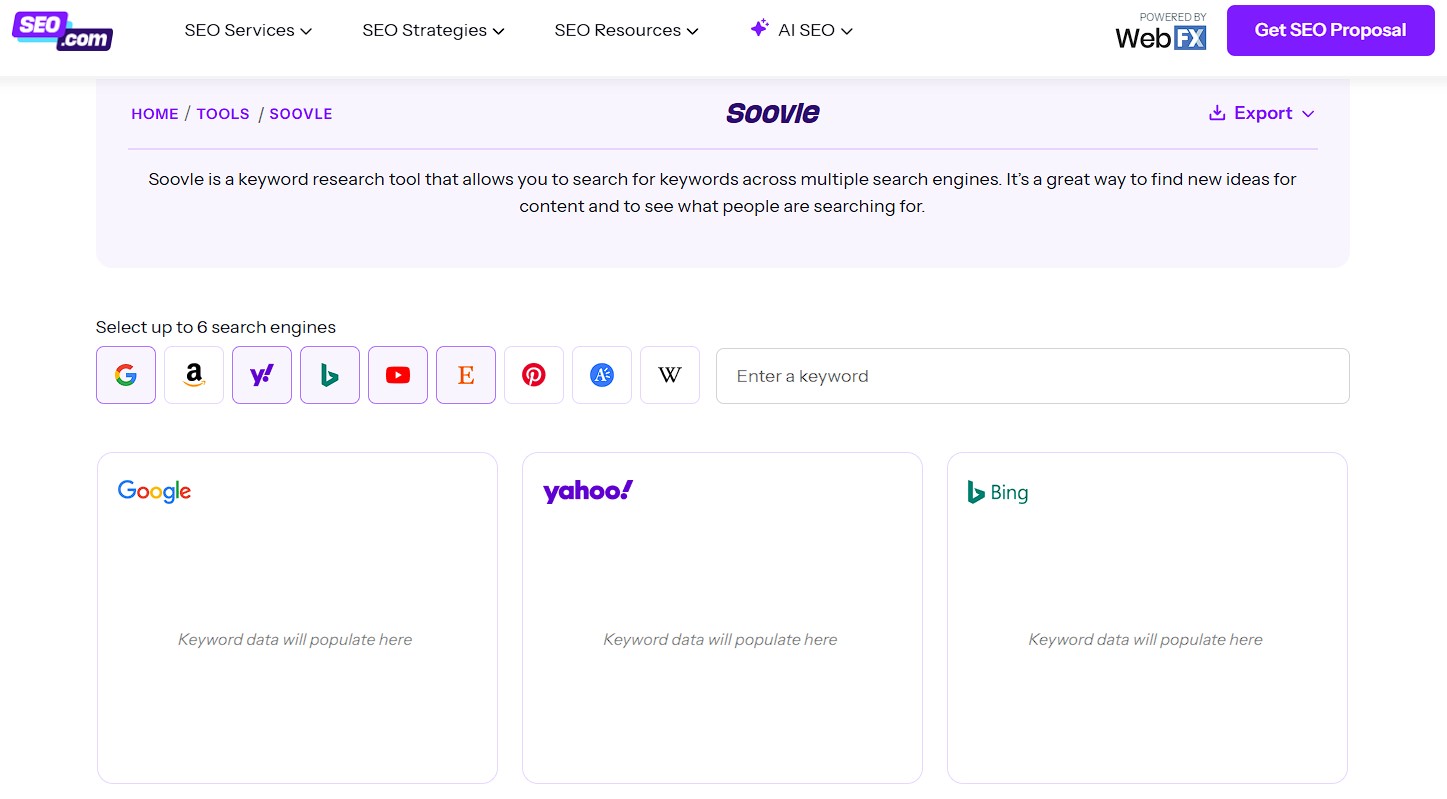
This clever tool pulls keyword suggestions from Google, Bing, YouTube, Amazon, and Wikipedia all at once. Perfect for brainstorming across different platforms.
What’s great abou about Soovle?
- Gets ideas from multiple search engines simultaneously
- Lightning-fast and simple to use
- Great for discovering keywords beyond just Google
What’s wrong?
- No search volume or competition data
- Can’t help with competitor research
4. Keywords Everywhere (Free Browser Extension)

Keywords Everyhwere shows keyword metrics right on Google, YouTube, and Amazon search pages as you browse. It is like having a research assistant built into your browser.
Why is it commendable?
- See keyword data without switching tabs
- Works across multiple platforms
- Takes seconds to install and start using
The Cons
- Limited data in the free version
- Not a complete research solution on its own
5. AnswerThePublic

Transforms keyword research into visual maps showing the questions people actually ask about your topic. Perfect for understanding what keeps your audience up at night.
Impressive features
- Unique visual approach makes patterns easy to spot
- Excellent for finding long-tail keyword opportunities
- Perfect for creating FAQ content and blog topics
What does this tool lack?
- Limited searches per day on the free plan
- No search volume or difficulty metrics
Are free tools right for you?
Free keyword research tools work well when you are first starting out and need to learn SEO basics without making any investment. They are great for bloggers who are just getting started, small-business owners on shoestring budgets and practically everybody else who’s in a hurry to gain insights into keywords for content planning.
They won’t provide you with deep competitive intelligence like premium tools will; these will give you the basis for building your SEO strategy. Free tools like these are even used by experienced marketers for some quick brainstorming or to confirm some basic keyword lists.
The trick is to recognize their limits and to deploy them strategically. Start here, get your bearings, and then see whether you need to put money down on paid tools as your needs evolve.
Paid Keyword Research Tools – Features, Pros, and Limitations
To be fair, sometimes you have to bring out the big guns when doing SEO is even harder in 2026. If you’re always playing catch-up with competitors, these premium tools give you the edge you need when every ranking matters.
Ahrefs
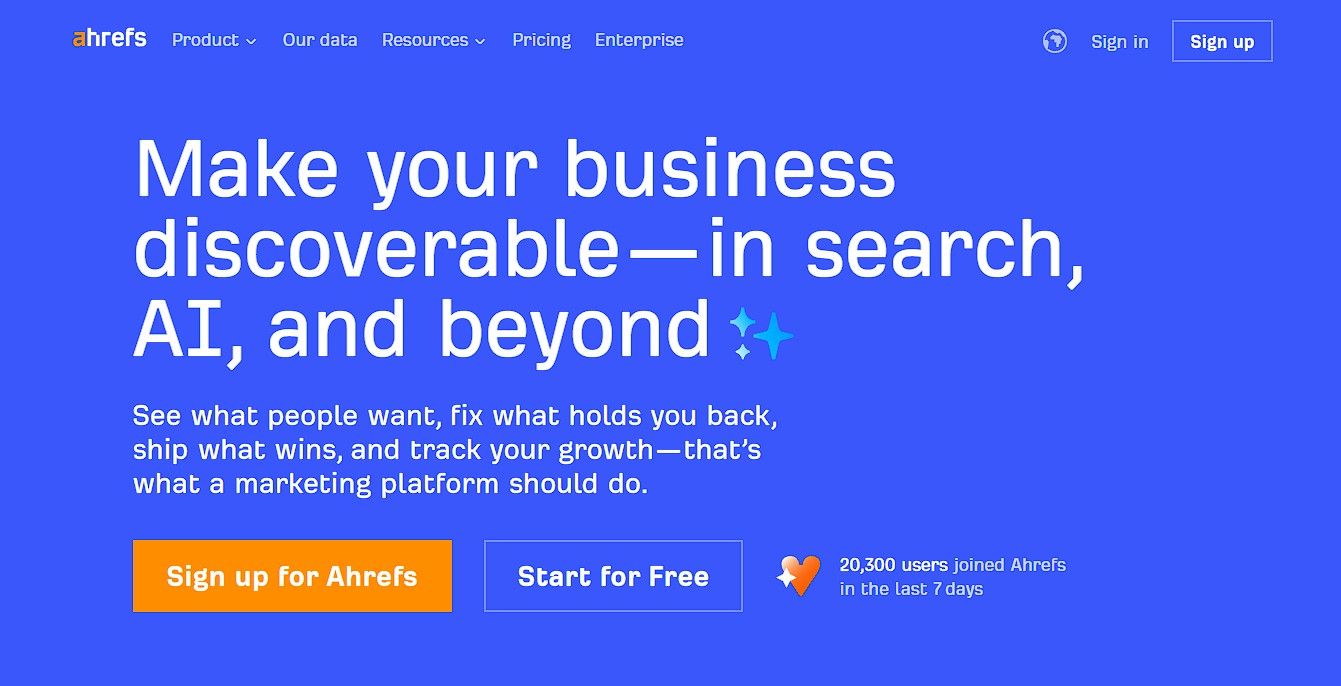
Ahrefs is the one that made backlink analysis cool again. They also don’t understand, they don’t just have backlinks, they also have their Keyword Explorer, which gives you rock-solid data, you can really trust to make big content decisions.
What makes it popular?
- Accurate data, which is so rare in the SEO world.
- Tells you exactly what your competitors are doing well.
- Smooth interface with great performance.
The reality check
- You can bet it will also show up expensive.
- The user takes time to get familiar with the various features.
SEMrush

SEMrush SEO tool is just like a Swiss army knife. Be it a keyword research tool, a competitor spying tool or a content optimization tool, SEMrush has it.
Why choose SEMrush?
- Covers all bases, from keywords to social media.
- The things AI is capable of noticing.
- Adding features weekly.
Drawbacks
- High prices that get cumulative.
- It can be intimidating at first when you log in.
Moz Pro
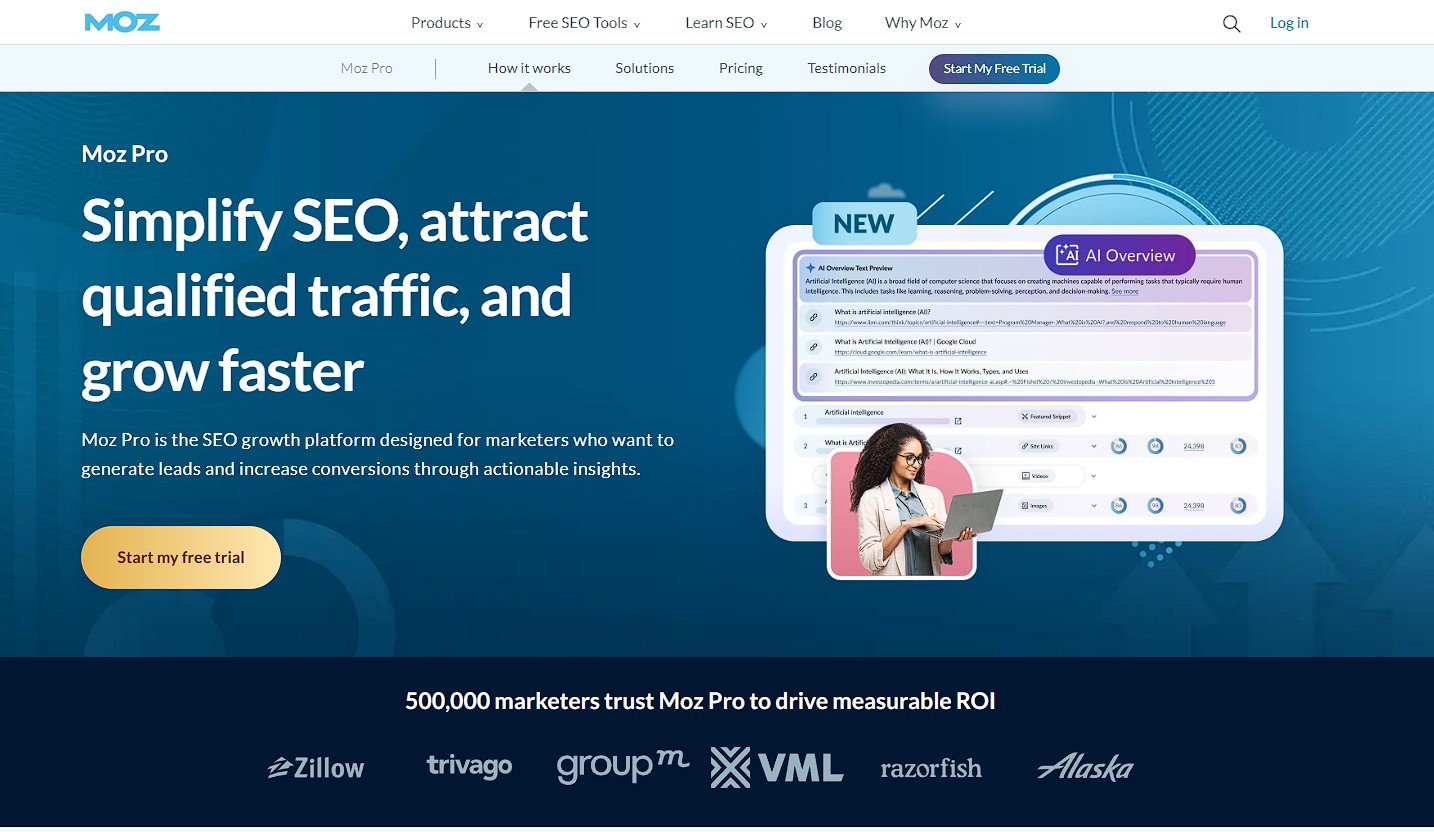
Moz Pro fits the bill for a team that wants to own strong SEO data without needing to hold a degree in computer science. Good if you are working for agencies and clients who would want to know what you are getting at.
What makes it unique?
- Make it stick – simple enough for your boss to understand.
- Decent groundwork as far as keyword research.
- Great community and help when you get stuck.
The Limitations
- Tiny by the standards of the giants.
- Some advanced features of competitor tracking are missing.
Surfer SEO

Surfer SEO does not just show you the keywords; it teaches you how to use them. It is like you have your own personal SEO expert looking over your shoulder as you write.
Why is it a better choice?
- Puts an end to speculations regarding content optimisation.
- Gives you practical, actionable guidance.
- A great fit for your existing content workflow.
Where does it lag behind?
- There is no complete total SEO solution on its own.
- Focused on content over technical SEO.
Morningscore
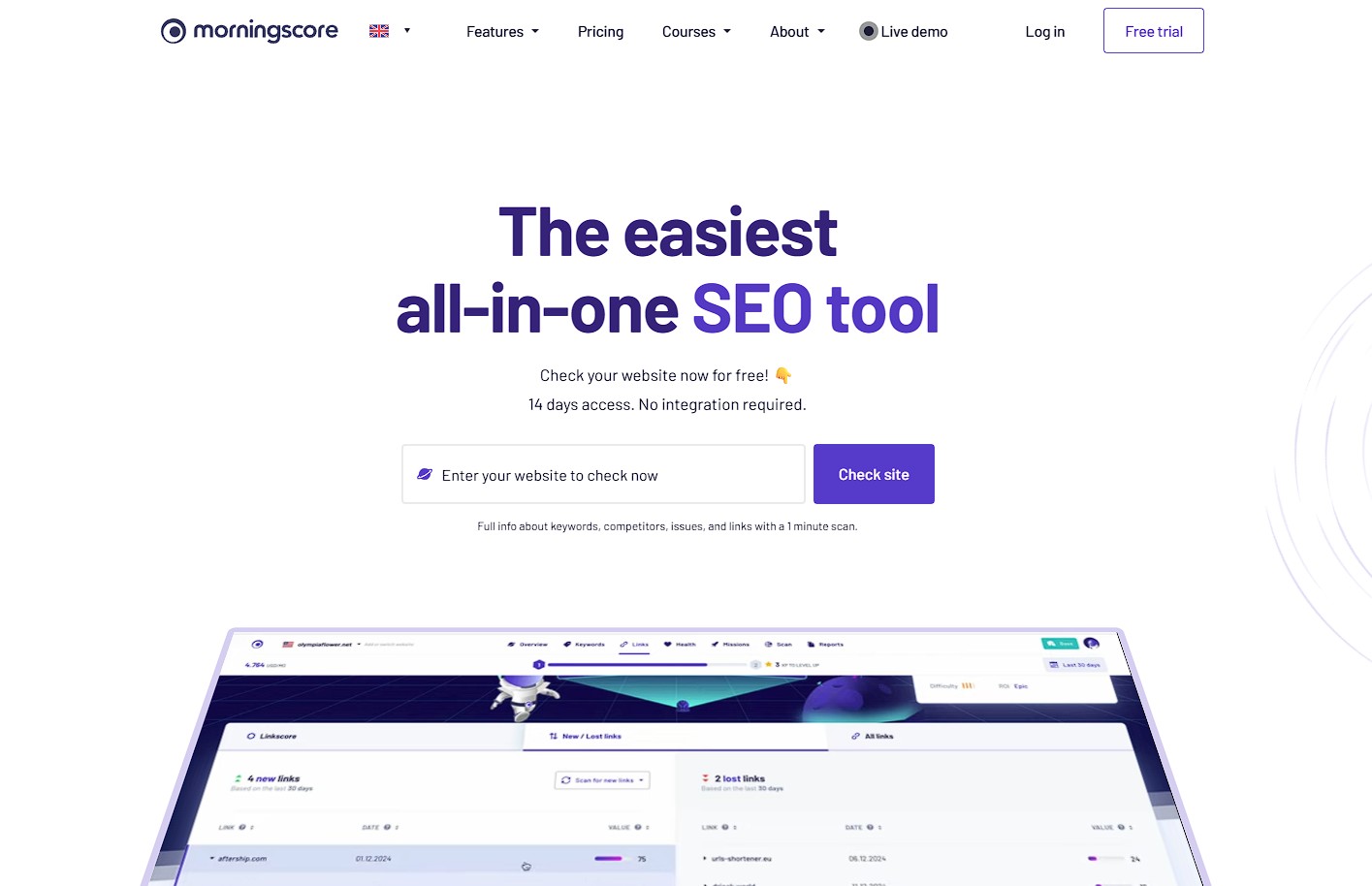
It doesn’t really feel like rocket science for SEO anymore but like more like a game you can win. Morningscore is great for teams that do not take themselves too seriously but can’t afford to play too seriously.
What makes it shine?
- Common sense AI suggestions.
- Wont burn your marketing budget.
- In fact, it makes you want to be a little bit better.
The Flaws
- A smaller community means fewer tutorials and fewer tips.
- Not necessarily to all of your advanced features.
Who Really Needs These Premium Tools?
The reality is pretty straightforward if you manage a few client sites, are generating competition over tough keyphrases, or SEO is how you put food on your literal table – free tools just ain’t going to do it for you.
The premium features really come in handy when you need to be tracking hundreds of keywords, want to review what your competitors are doing or need to make a decision based strictly on data and need it quickly. How detailed and precise you get may be the difference between reaching page one and fading into the competition.
Here’s how we would think about it – if the better SEO ranks translated into an extra $10,000 in earnings for you, then we would say a $200 investment in the tools would make complete sense. We are not talking about the cost that much as we are concerned about the return.
Free vs Paid Keyword Research Tools (At a Glance) – Comparison Table
| Tool | Type | Best For | Key Features | Pricing |
| Google Keyword Planner | Free | Beginners, advertisers, local SEO | Keyword ideas, search volume ranges, competition levels | Free with Google Ads account |
| Ubersuggest | Free (with limits) | Bloggers, small businesses | Keyword suggestions, difficulty scores, content ideas, backlinks | Free plan + paid upgrades |
| Soovle | Free | Brainstorming across platforms | Suggestions from Google, Bing, YouTube, Amazon, Wikipedia | Free |
| Keywords Everywhere | Free extension (with paid add-ons) | Quick browsing research | Keyword metrics shown directly on SERPs | Free (basic), credits for advanced |
| AnswerThePublic | Free (with limits) | Content creators, FAQ ideas | Visual keyword maps, question-based searches | Free plan + paid upgrades |
| Ahrefs | Paid | Agencies, professionals, competitor analysis | Accurate keyword explorer, backlink data, SERP insights | From ~$99/month |
| SEMrush | Paid | All-in-one SEO, agencies | Keyword research, site audit, competitor spying, AI insights | From ~$119/month |
| Moz Pro | Paid | Teams & agencies needing simplicity | Keyword research, rank tracking, beginner-friendly | From ~$99/month |
| Surfer SEO | Paid | Content writers, on-page optimization | Content editor, SERP analysis, actionable suggestions | From ~$89/month |
| Morningscore | Paid | Small teams, gamified SEO approach | AI suggestions, affordable, easy to use | From ~$49/month |
When Do You Need Free and When Do You Need Paid SEO Tools?
Let’s be honest. At the start, every penny counts. The good news? No need to part with any money to start using keyword search.
Beginning with Free Tools
Google Keywords Planner is a great tool to start with if you’re new to working online or if you are running a side hustle, as it’s free. Ubersuggest is nice for brainstorming content ideas, but AnswerThePublic shows you the actual questions your audience asks, the stuff that keeps them awake all night Googling.
Our free options should give you a good idea of what others are looking at, and without the monthly fee regret.
When It’s Time to Level Up
This is where the shit hits the fan: once your site scales or you play in the ruthlessly competitive niches, you will quickly piss away the possibilities of free tools. It’s like trying to run a restaurant with a microwave- sure, you can do it, but you’re missing out on so much.
When the time arrives to consider tools like Ahrefs or SEMrush as anything less than a luxury, yet more than a necessity, then yes, a change must be made. Many months of trial and error can be eliminated with detailed competitor analysis. You have a magic crystal ball that shows you the specific keywords your competitors are ranking.
The Smart Money Move
Most of the successful SEO guys are not one-trick ponies. They will spend some time brainstorming with free tools, and then test their idea using a paid tool, and then they’ll spend some serious time creating content.
It’s like test driving a car – why create 50 blog posts around a keyword when you’re not 100% sure it’s worth writing about?
What’s Coming in 2026
AI is not the buzzword that it was, but it’s now the changing keyword research. We are moving toward tools that not only tell you what people have been searching for in the last month, but that also predict what people will search for in the next month.
And there is a difference between a free and a paid tool in terms of decreasing. On the freemiums, features that would have cost hundreds every month are being given away. Small businesses are not left behind.
Staying Human in an AI World
Here is the secret: never forget the human! All the data in the world is worthless if you don’t actually know a living, breathing human being behind a search query.
The best SEO practices are always born out of an understanding of what your audience is in pain over and what language they actually use. AI will have the capacity to crunch, but you’ll be the one doing the empathising. It does not matter if you will use free or paid software; quality SEO is an equally serious commitment, a placement of the real solution in front of the intended client.
Final Notes
Here’s the simple truth: deciding between free and paid keyword tools is not difficult. If you are just starting out or have a limited budget, begin with the free options such as Google Keyword Planner and Ubersuggest. They will provide you with good keyword ideas without the monthly basis.
But once you’re going hard in competitive niches, or managing multiple sites, the premium tools like Ahrefs and SEMrush are worth what they cost. Their more substantive data and competitor insights can be game-changers.
The smartest approach? Use both. Free tools for brainstorming, paid tools for validation and legitimate competitive research. The best tool for finding the perfect keyword is the tool you’re actually going to use every day, not the most powerful and expensive one that you will keep closed under your bed.
Frequently Asked Questions
What is the actual difference between the free and paid keyword research tools?
Consider the free tools as providing you with a rough overview, simple keyword concepts and approximate volumes. Paid tools, however, go further with competitor insights, SERP functions, and accuracy, which may inform a comprehensive SEO strategy.
In 2026, what is the most useful free keyword research tool?
The most popular free one remains Google Keyword Planner. You can also find loads of ideas without spending a single dime with tools such as Ubersuggest, AnswerThePublic, or Keywords Everywhere, especially when you are a blogger or small business.
Should one pay to use paid keyword research tools?
Yes, they are worth it, in case you are serious about SEO, say, agency running, nurturing an e-commerce site, or a competitor in a competitive niche. The tools, such as Ahrefs, SEMrush, or Surfer SEO, will save time and help you open opportunities you could not find with the free version.
Can I still rank on Google only using free tools?
Absolutely. A lot of small sites and local businesses are doing well with free tools only. The downside is that you might have a slower progress as you will not access as much data regarding competitors or exact search volume as the paid platform can.
What is the reliability of free tools and paid tools?
Free tools are good when it comes to the approximate estimate and brainstorming. However, when accurate figures and trend insights are needed or to know why competitors are ranked where they are, then paid tools tend to be superior.
Is it possible to combine both free and paid keyword research tools?
You can tell a lot of the pros do just that. Begin with free tools to generate ideas, then purchase a paid tool to narrow down your list, research competition, and strategise content. It is a cost-effective combo.
Which trends do you believe will be emerging in keyword research tools in 2026?
AI is changing the game. You can expect smarter suggestions, predictive search results, and content optimisation features that will be directly added to the software. Free tools are also getting stronger; however, they still cannot compete with paid platforms in terms of depth and accuracy.