
Every marketer hits this wall at some point. You’re staring at a content calendar, or a budget spreadsheet, or both, and someone in the room asks the question: should we be posting more, or should we be spending more? And honestly, that question is broken from the start. It treats organic and paid like two teams playing against each other, when really they’re just two different tools doing two different jobs.
Ad spend on social platforms keeps climbing every single year, no signs of slowing down. Meanwhile organic reach has been getting squeezed for a while now, and it’s not coming back. So the old approach of “post consistently and hope the algorithm loves you” doesn’t cut it anymore on its own. But dumping your whole budget into ads without any organic presence backing it up? That doesn’t work either. People check your profile before they buy from you. If it’s empty or dead, the ad did nothing.
This isn’t a pick-a-side situation. It’s a sequencing and budgeting question. This post walks through what organic and paid actually are, when each one earns its keep, how the answer shifts depending on which platform you’re on, and how to actually build a plan instead of guessing.
Most people asking this question aren’t actually confused about the definitions. They know roughly what organic and paid mean. What they’re really asking is something closer to: where do I put my next hour, or my next rupee, or my next dollar, and what’s actually going to move the needle. That’s a much harder question, and it doesn’t have a one-line answer. It depends on where the brand is, what the goal is this month, and which platform the audience actually lives on. Everything below is built around answering that version of the question, not the textbook one.
What Is Organic Social Media?
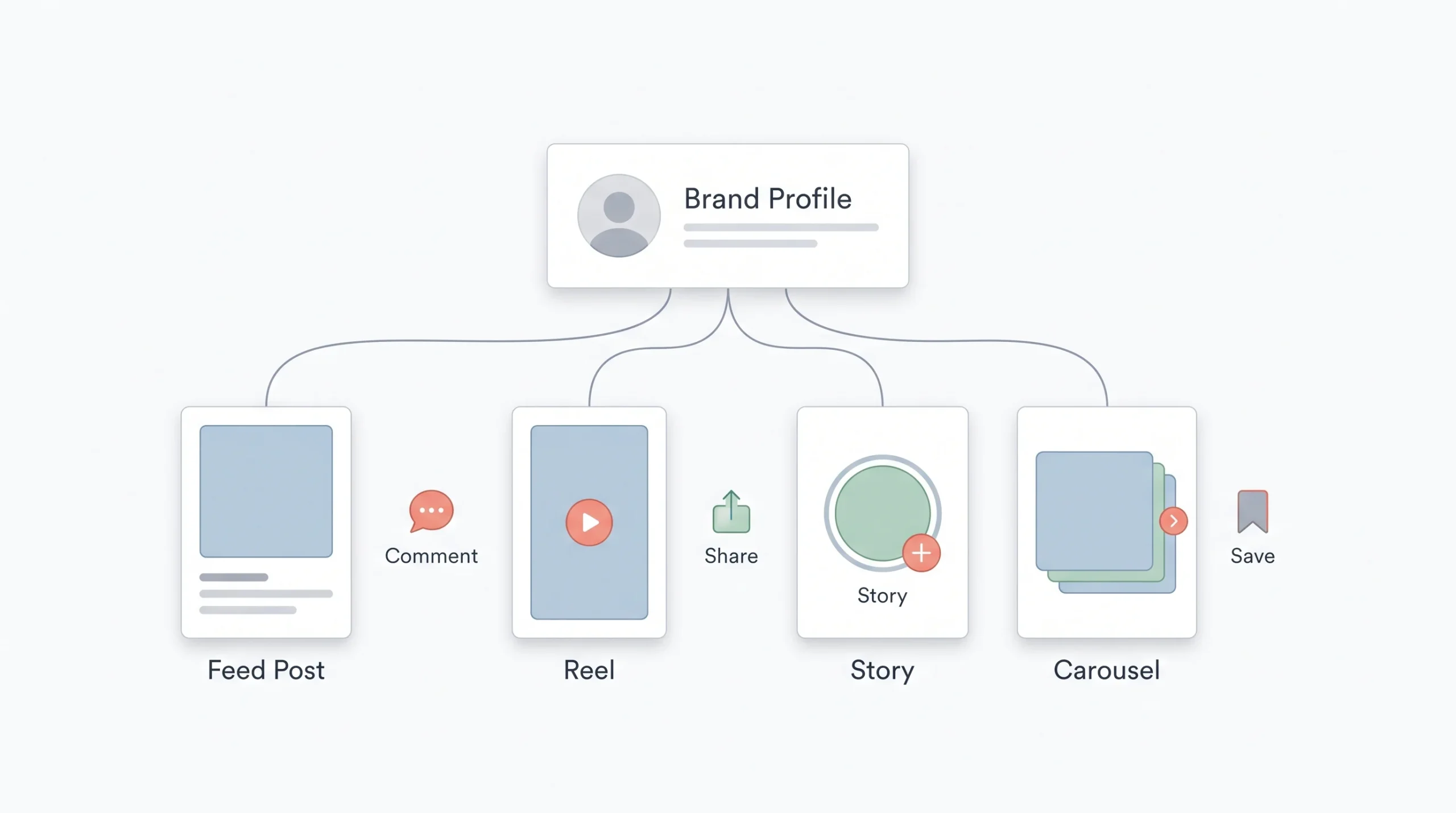
Organic social is anything you post to your brand’s own profile without putting money behind it. Feed posts, Reels, Stories, carousels, replies to comments, community posts, all of it. Nobody’s paying to push it in front of anyone. It shows up (or doesn’t) based on how the platform’s algorithm decides to treat it, and how relevant it is to the people who already follow you.
Here’s the thing people get wrong about organic though. They hear “free” and think it costs nothing. It costs no media spend, sure. But someone still has to shoot the video, write the caption, design the carousel, answer the DMs. That’s real time, real skill, real cost. Just not the kind that shows up as an ad spend line item.
Organic is the foundation. It’s not a growth hack, it’s not a shortcut, and it’s definitely not going to make a brand blow up overnight the way a viral TikTok might occasionally suggest. What it does is build the layer of trust and personality that everything else sits on top of. Skip it, and paid ads end up pointing to a profile that feels hollow.
Think about the last time an ad actually made you click through to a brand’s profile before buying. That happens more than people admit. And what’s sitting there when you land matters. A profile with three months of dead air, no replies to comments, nothing that looks like a real person runs it, that kills trust fast, no matter how good the ad creative was. Organic is basically the receipts. It’s proof the brand exists beyond a single sponsored post, and that it’s actually run by people who show up consistently, not just when there’s a campaign to push.
There’s also a piece of organic that doesn’t get talked about enough, which is how much it teaches you about your own audience for free. Every comment, every DM, every share tells you something about what people actually want to hear from you, not what you assumed they’d want to hear. That’s data paid campaigns can use later, but organic is where it gets collected first, without spending a rupee to find it out.
| Platform | Common organic formats |
|---|---|
| Reels, Stories, Carousels, Feed posts | |
| Feed posts, Groups, Stories | |
| Text posts, Articles, Company updates | |
| YouTube | Long-form video, Shorts, Community tab |
| X (Twitter) | Text posts, threads, replies |
| TikTok | Short-form video, Duets, Stitches |
Organic isn’t free, it’s unpaid. Budget the time for it even if you’re not budgeting the ad spend.
What Is Paid Social Media?
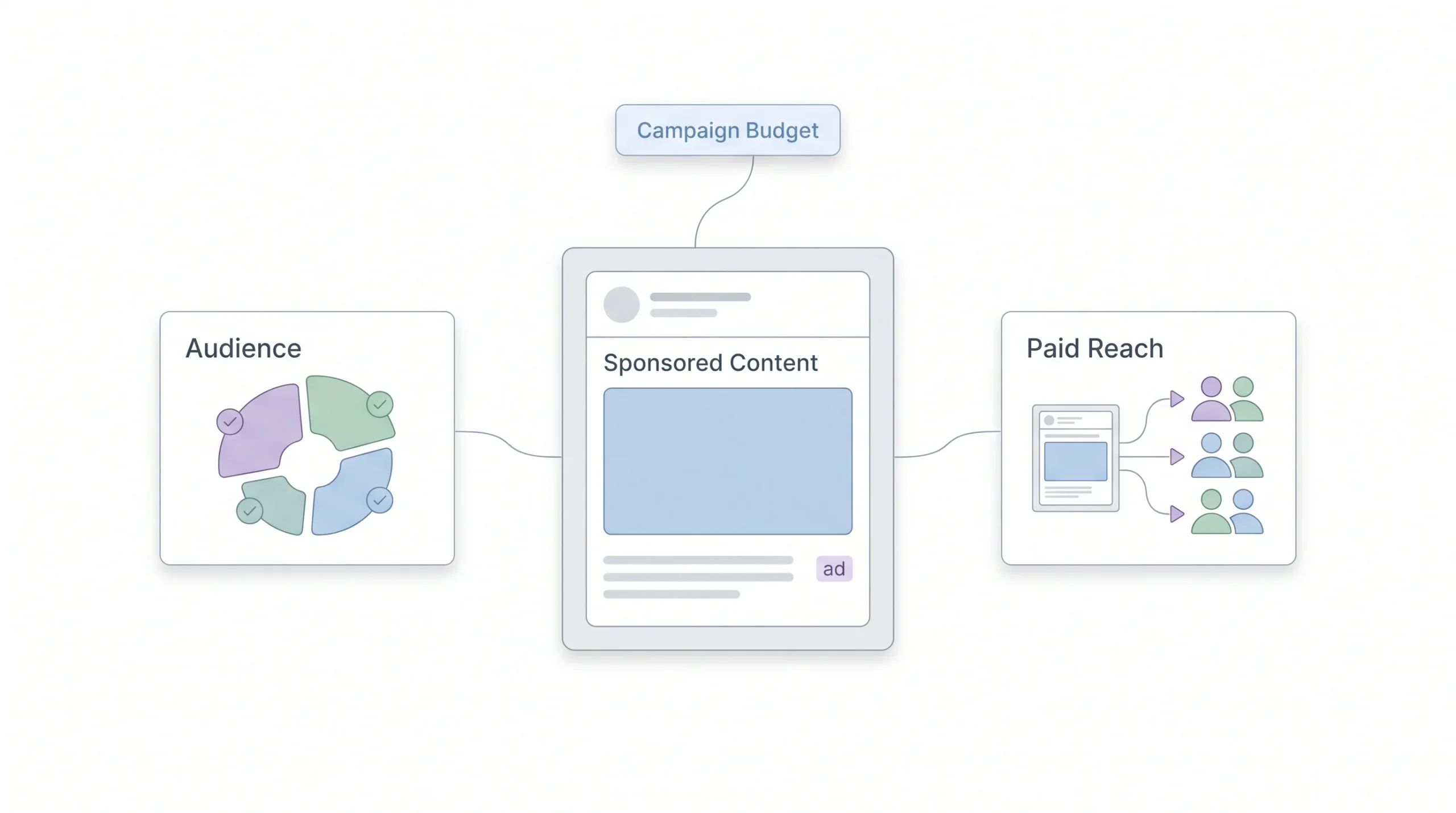
Paid social is any content with a budget sitting behind it. Boosted posts, in-feed ads, Stories ads, sponsored content, the whole lineup. Instead of relying on the algorithm’s mood and your follower count, you’re buying placement in front of a specific audience you’ve defined.
That targeting is really the whole point of paid. You’re not hoping the right person scrolls past your post. You’re choosing who sees it based on interests, demographics, behavior, or lookalike audiences built off people who already converted. That level of control is something organic simply can’t offer, no matter how good your content is.
Paid buys you two things organic can’t: speed and precision. You want in front of 50,000 new people by next Tuesday? Paid can do that. Organic can’t, not reliably, not on a schedule you control.
What trips people up is thinking paid means “boost post” and stopping there. Boosting is the entry-level version of paid, basically paying to widen the audience for something you already posted. Full campaign builds go a lot deeper than that, with objective-based bidding, layered audience targeting, split-testing different creative against each other, and conversion tracking that tells you exactly what someone did after they clicked. Boosting is fine for a quick push. It’s not the same tool as running an actual campaign with a defined goal behind it, and treating them as interchangeable is how budgets get wasted.
The other thing worth saying plainly: paid isn’t magic. Bad creative with a big budget behind it just fails faster and more expensively than bad creative with no budget. Platforms have gotten good at matching ads to the right eyeballs, but they can’t make people care about an offer that isn’t compelling. The targeting does its job. The creative still has to do its job too.
| Platform | Common paid formats |
|---|---|
| Instagram/Facebook (Meta) | Feed ads, Reels ads, Stories ads, Collection ads |
| Sponsored content, Message ads, Lead Gen forms | |
| YouTube | Skippable in-stream, Shorts ads, Discovery ads |
| X (Twitter) | Promoted posts, Promoted trends |
| TikTok | In-feed ads, Spark ads, TopView |
Organic vs Paid Social Media: Key Differences
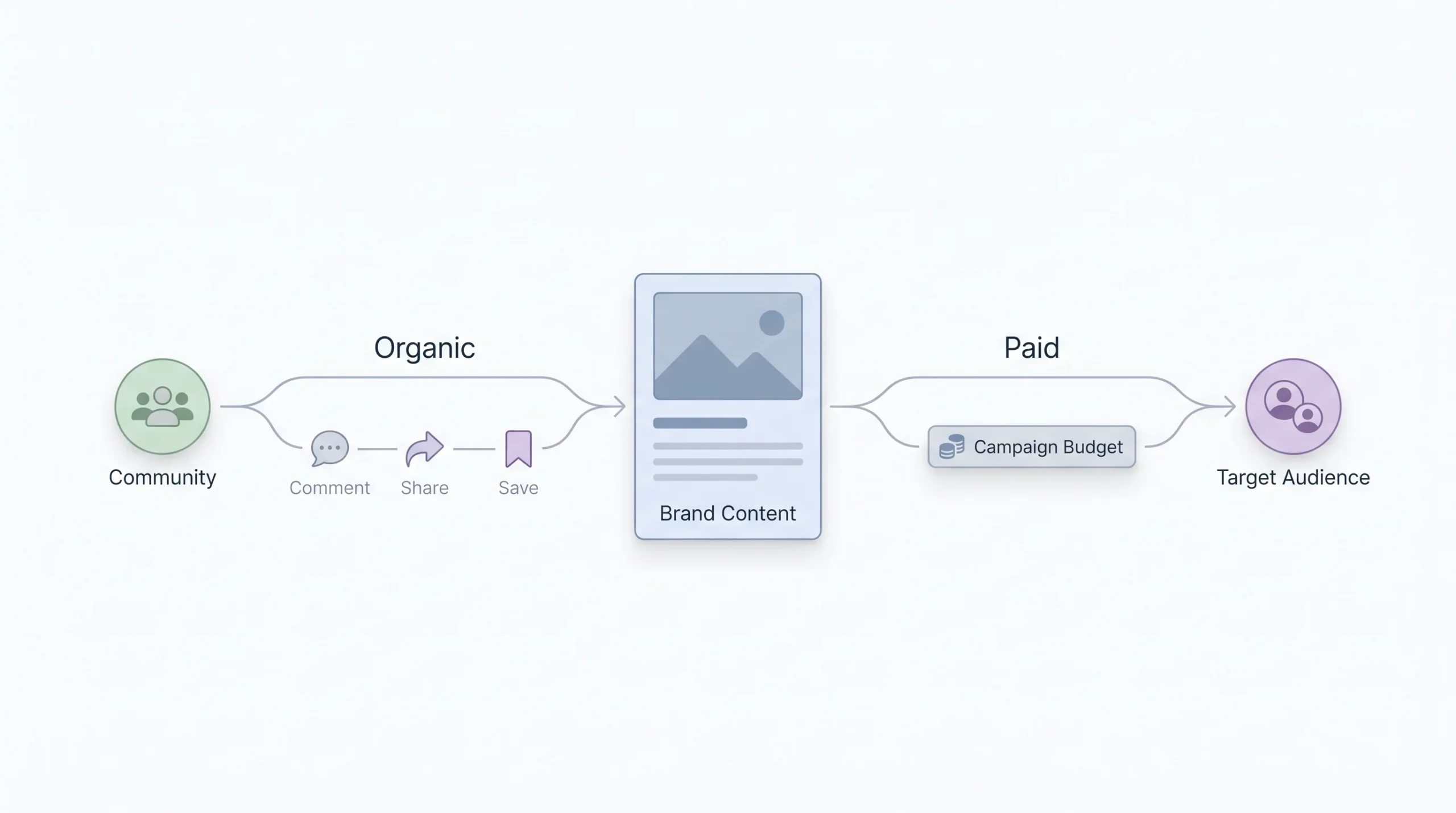
So what actually separates these two, beyond the obvious “one costs money and one doesn’t”? A handful of things, and they matter more than people give them credit for.
Cost structure is the first one. Organic asks for your time and content production, not your wallet. Paid asks for both, ongoing, for as long as you want the results to keep showing up. Speed is the second big difference. Organic compounds slowly, over months, sometimes longer. Paid can put numbers on the board within days, sometimes hours.
Then there’s reach and targeting. Organic mostly reaches people who already follow you, plus whatever the algorithm decides to hand you on top of that, which honestly feels like a coin flip some days. Paid scales to whatever audience size your budget allows, and you get to choose exactly who’s in that audience.
Longevity is where it flips the other way though. A good organic post keeps sitting on your profile, keeps getting found, keeps working for you long after you hit publish. A paid ad stops the second you stop paying for it. No spend, no reach. That’s just how it works.
And measurement is a whole different conversation. Organic gets judged on engagement, reach, follower growth, that kind of thing. Paid gets judged on cost per click, cost per acquisition, return on ad spend. Comparing the two directly on the same scorecard doesn’t really make sense, and yet people try to do it constantly.
One more difference worth calling out, since it doesn’t fit neatly into a table: control. With organic, the platform decides how far your content travels, and that decision can change overnight because of an algorithm update nobody warned you about. With paid, you’re the one deciding the reach, within whatever the budget allows. That trade-off, giving up control for free reach versus paying for guaranteed reach, is really the core tension underneath everything else on this list.
| Factor | Organic | Paid |
|---|---|---|
| Cost | No media spend, but requires content/time investment | Requires ongoing ad spend |
| Speed | Slow, compounds over months | Fast, results within days |
| Reach | Limited to followers + algorithm boost | Scalable to any audience size |
| Targeting | Limited (mostly who follows you) | Precise (interest, behavior, lookalike) |
| Longevity | Compounds, stays on profile | Stops when spend stops |
| Trust signal | Higher perceived authenticity | Lower unless backed by organic presence |
| Measurement | Engagement, reach, follower growth | CTR, CPC, ROAS, conversions |
Organic tells you what to say. Paid tells you how far to say it.
Pros and Cons of Organic Social Media
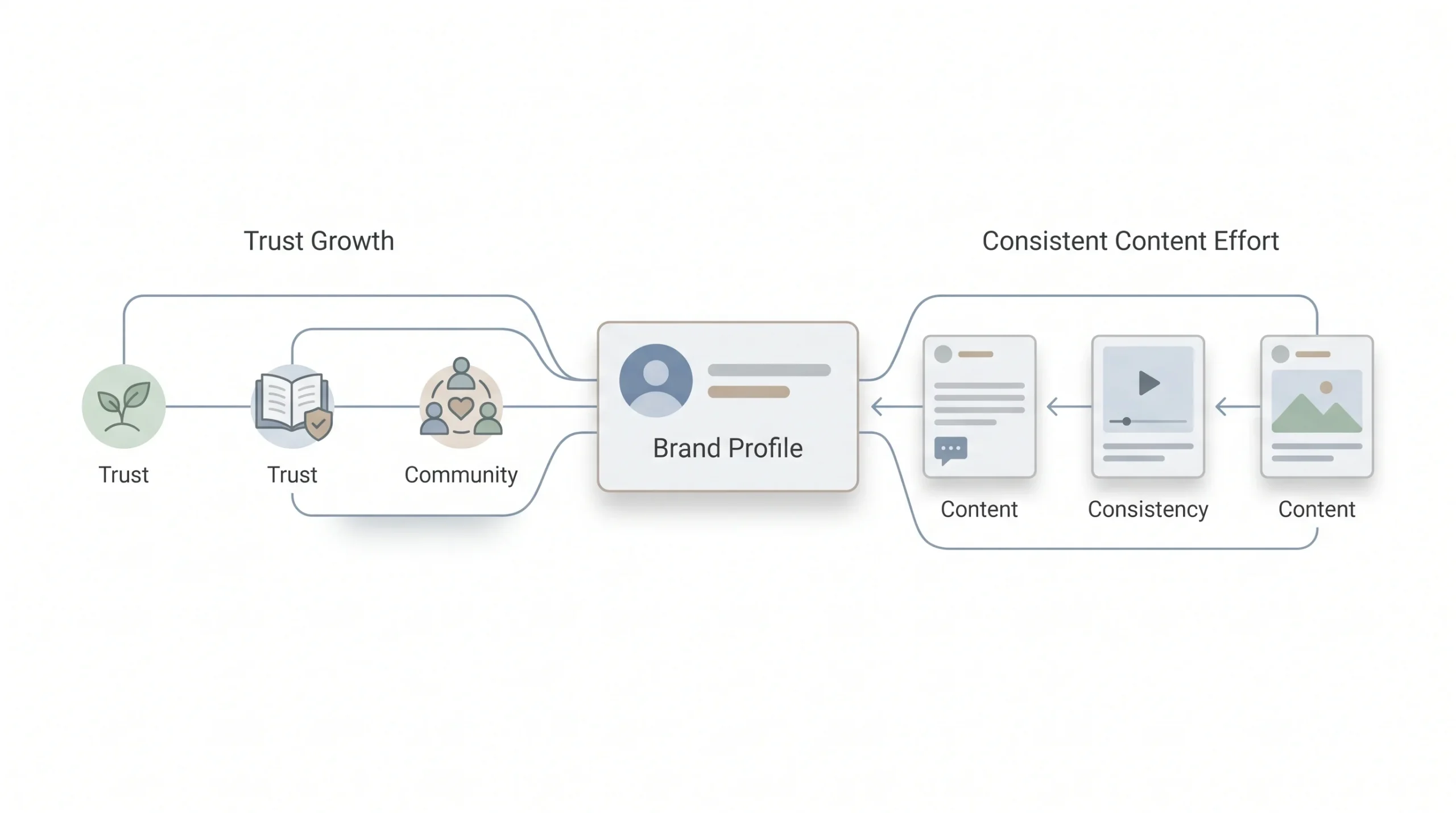
Organic’s biggest strength is trust. When someone lands on your profile and sees consistent, genuine content, no ads attached, that reads as authentic in a way a sponsored post never will. It’s also the cheapest way to build a brand voice and personality, since you’re not paying for reach, just putting in the work to earn it. UGC and real community conversation tend to grow out of organic, not paid, because people don’t comment and share the way they do on something that clearly has an ad budget behind it.
But let’s not pretend it’s all upside. Reach depends entirely on the algorithm, and algorithms change without warning. Growth is slow, sometimes painfully so. If you need to reach a brand new audience fast, organic alone won’t get you there. And tying organic activity directly to revenue is genuinely hard. You can see the engagement, sure, but the straight line from a like to a sale isn’t always there to draw.
There’s also a resourcing problem nobody likes talking about. Good organic content isn’t cheap to make even without ad spend attached. Someone has to shoot it, edit it, write for it, and do that consistently, week after week, whether or not it’s getting engagement that day. Burnout is real here. Teams that treat organic as a side task, something to squeeze in between “real” work, usually end up with inconsistent posting, and inconsistent posting is the fastest way to tank whatever momentum the algorithm was starting to give you.
| Pros | Cons |
|---|---|
| Builds authentic trust over time | Reach is algorithm-dependent |
| No media cost | Growth is slow |
| Strengthens brand voice/personality | Hard to reach new audiences |
| Encourages UGC and community | Difficult to tie directly to revenue |
Pros and Cons of Paid Social Media
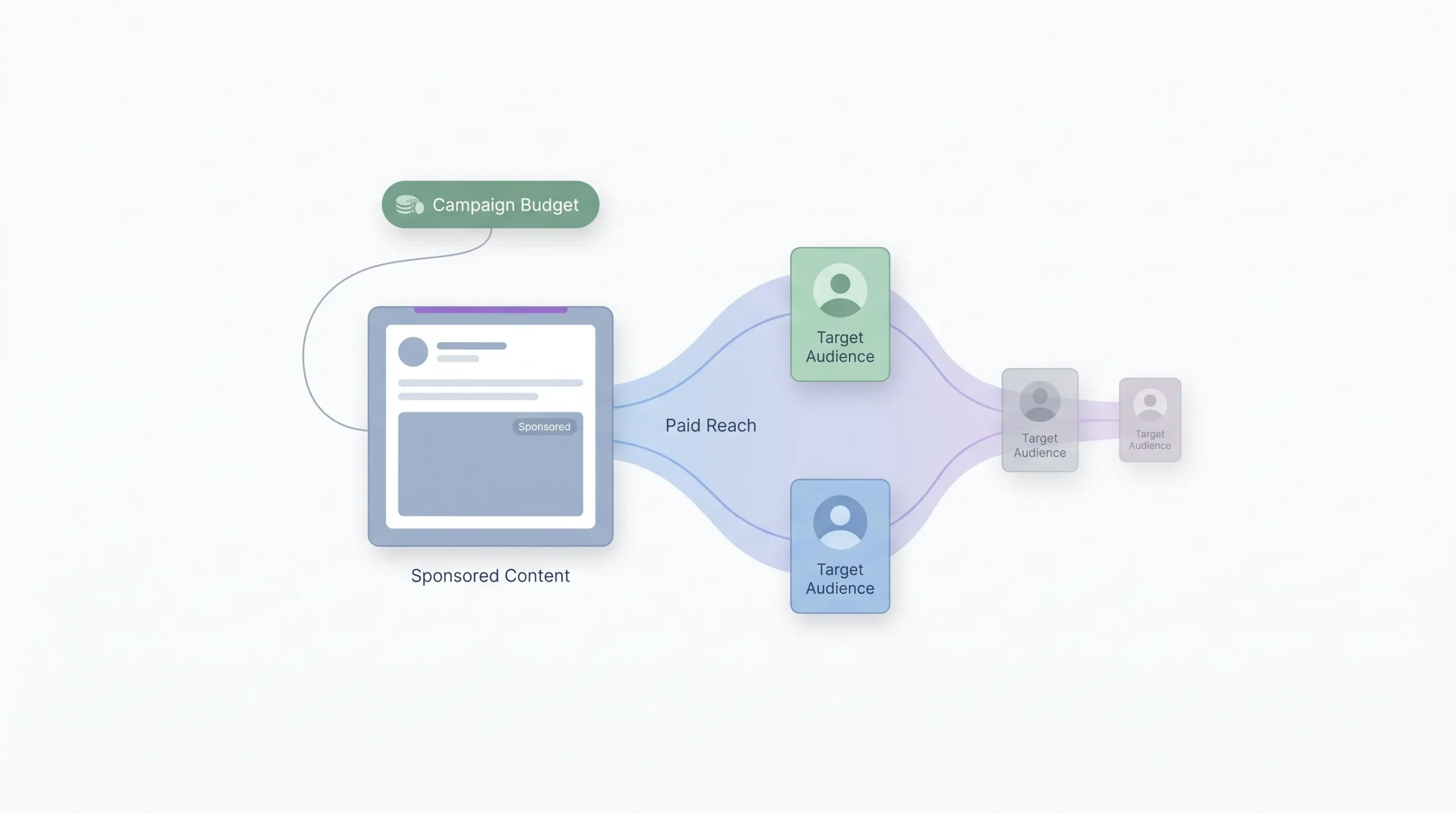
Paid’s whole appeal is speed and scale. You want reach, you buy reach. You want a specific type of person seeing your ad, you target that specific type of person. And because everything’s trackable back to spend, the ROI conversation is a lot cleaner than it is with organic. Paid is also just a better environment for testing. Run three creative variations, see which one performs, kill the losers fast.
The catch is cost, obviously. Costs per click and per impression have been climbing for a while, and they’re not going back down. There’s also this thing where paid without any organic trust behind it underperforms. People see the ad, click through, land on a profile with three posts and no personality, and bounce. And the second you stop the campaign, the results stop too. No compounding, no leftover momentum. Overdo it, and audiences start tuning ads out entirely, which is its own problem.
Attribution gets messier than the dashboards make it look, too. A person might see an ad, ignore it, see an organic post two weeks later, then finally convert after a retargeting ad reminds them. Which channel gets credit for that sale? Most reporting tools will hand full credit to whichever touchpoint happened last, which flatters paid and quietly erases everything organic did earlier in that journey. It’s worth knowing that bias exists before treating a ROAS number as the whole story.
| Pros | Cons |
|---|---|
| Fast, scalable reach | Costs scale with results |
| Precise targeting | Diminishing returns without organic trust |
| Clear, trackable ROI | Results stop when budget stops |
| Great for testing offers/creative | Can feel intrusive if overused |
When to Use Organic Social Media
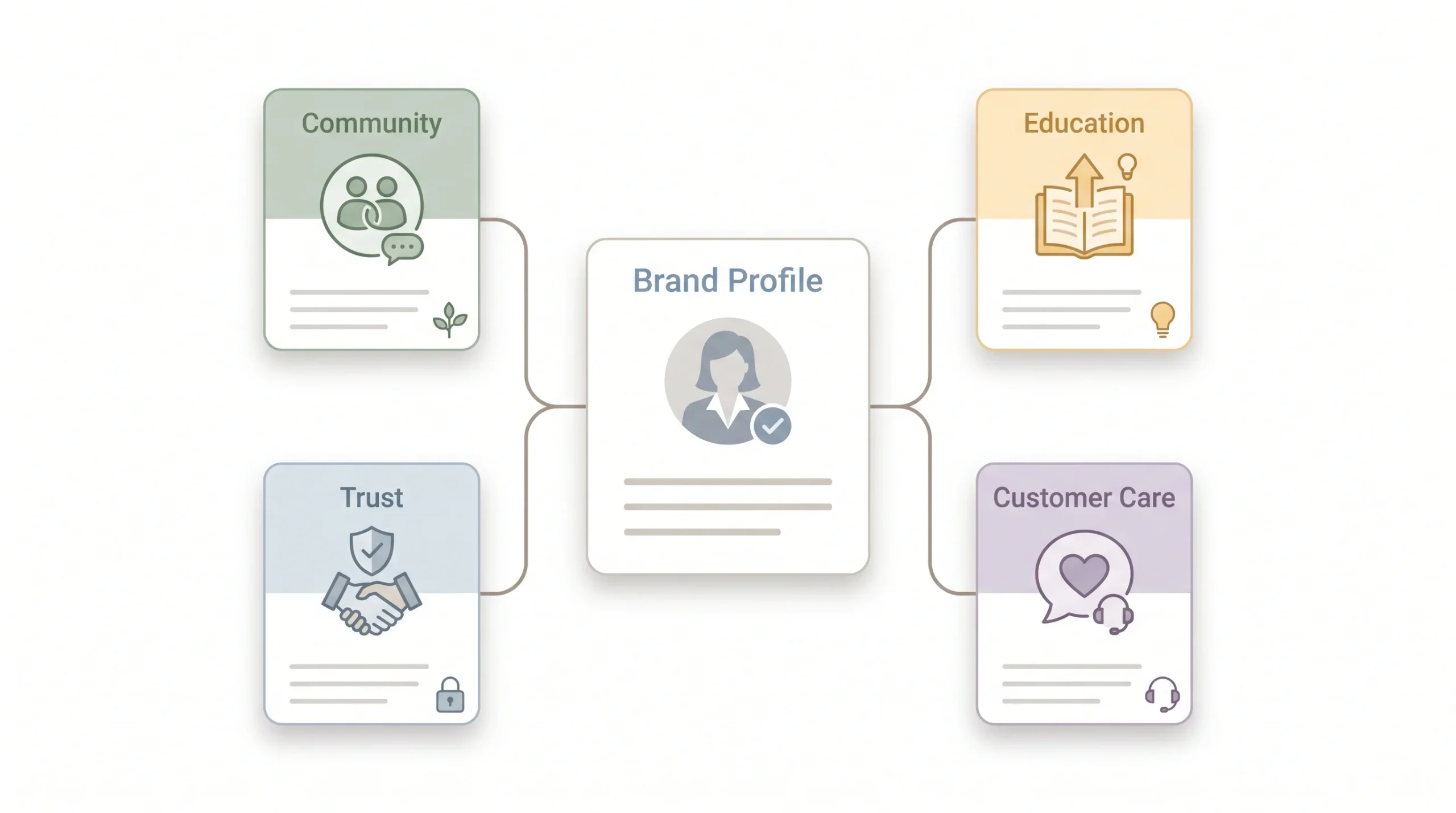
There are specific moments where organic is genuinely the right call, not just the cheaper one. Early-stage brand building is one of them. Before you know what your message even is, before you’ve tested what resonates, spending money to amplify a guess is a waste. Organic lets you figure that out first, for free, then scale the winner later.
Trust-heavy industries lean organic too, and for good reason. Finance, healthcare, education, anything where people need to feel like they know you before they’ll engage. An ad from a brand nobody’s heard of in one of these spaces tends to get scrolled past or, worse, distrusted. Organic content, thought leadership, answering questions in comments, that builds the credibility an ad can’t buy.
Nurturing existing customers is another one. Someone already bought from you? They don’t need an ad, they need to keep seeing you show up, keep feeling like part of something. That’s organic’s job.
And testing, honestly, this might be the most underrated use case. Post something organically, see how people react to the messaging, the tone, the offer, before you ever put a rupee or a dollar behind it. It’s the cheapest research you’ll ever run.
There’s a specific scenario worth calling out too: seasonal or evergreen educational content. A how-to post, a myth-busting carousel, a “here’s what we learned” breakdown, that kind of content doesn’t need urgency behind it. Nobody’s going anywhere if they see it a week late instead of today. Paying to accelerate something that has no deadline attached is usually money spent for very little extra benefit. Save the budget for content that actually has a clock ticking on it.
- Building brand identity and voice before you have a message worth scaling
- Trust-sensitive industries where an ad feels premature
- Nurturing existing customers after they’ve already purchased
- Testing messaging and creative cheaply before paying to scale it
If you don’t know what your audience responds to yet, that’s an organic problem to solve, not a budget problem.
When to Use Paid Social Media
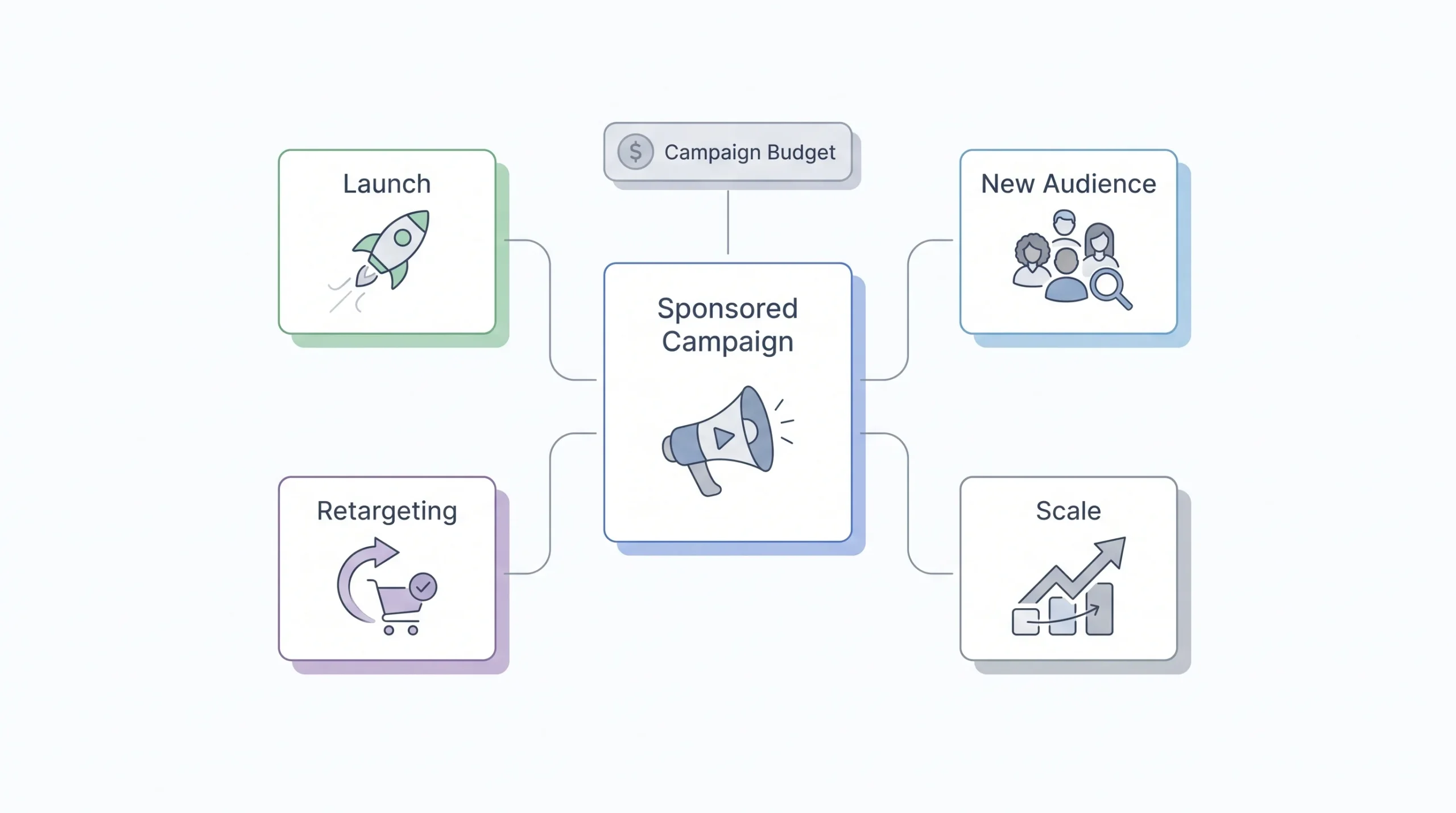
Flip it around and there are just as many moments where paid is the obvious move. Launches and time-sensitive promotions are the clearest ones. You don’t have months to wait for organic reach to build when a sale ends in five days. You need eyes on it now, and paid delivers that.
Entering a new market or audience segment is another. If you’re expanding into a city, a country, or a customer type where you have zero existing followers, organic starts from nothing. Paid gets you in front of people who’ve never heard of you, on your timeline, not the algorithm’s.
Retargeting is where paid genuinely shines and organic can’t even compete. Someone visited your site, added something to cart, then left. Organic has no way to follow up with that specific person. Paid does, and it’s usually one of the highest-converting things a brand can run.
And then there’s scaling proven content. You already know a certain post did well organically. Instead of guessing at new ad creative from scratch, put budget behind the thing that already worked. It’s lower risk and usually performs better than a cold-start ad.
Competitive pressure is another honest reason to run paid, even if it doesn’t get said out loud much. If competitors are buying the exact audience segment a brand cares about, sitting out entirely and hoping organic alone will hold the line is wishful thinking. Sometimes paid isn’t about a specific campaign goal, it’s about not ceding ground in a space where attention is already being bought by someone else.
- Launches and limited-time offers where speed matters more than trust-building
- Expanding into a new geography or audience segment with zero existing followers
- Retargeting warm audiences like site visitors, cart abandoners, and email lists
- Amplifying a proven organic post instead of guessing at new creative
Never let paid be the first time your audience hears from you. It converts better when it’s reinforcing something they already recognize.
Organic vs Paid by Platform: Where Each One Actually Wins
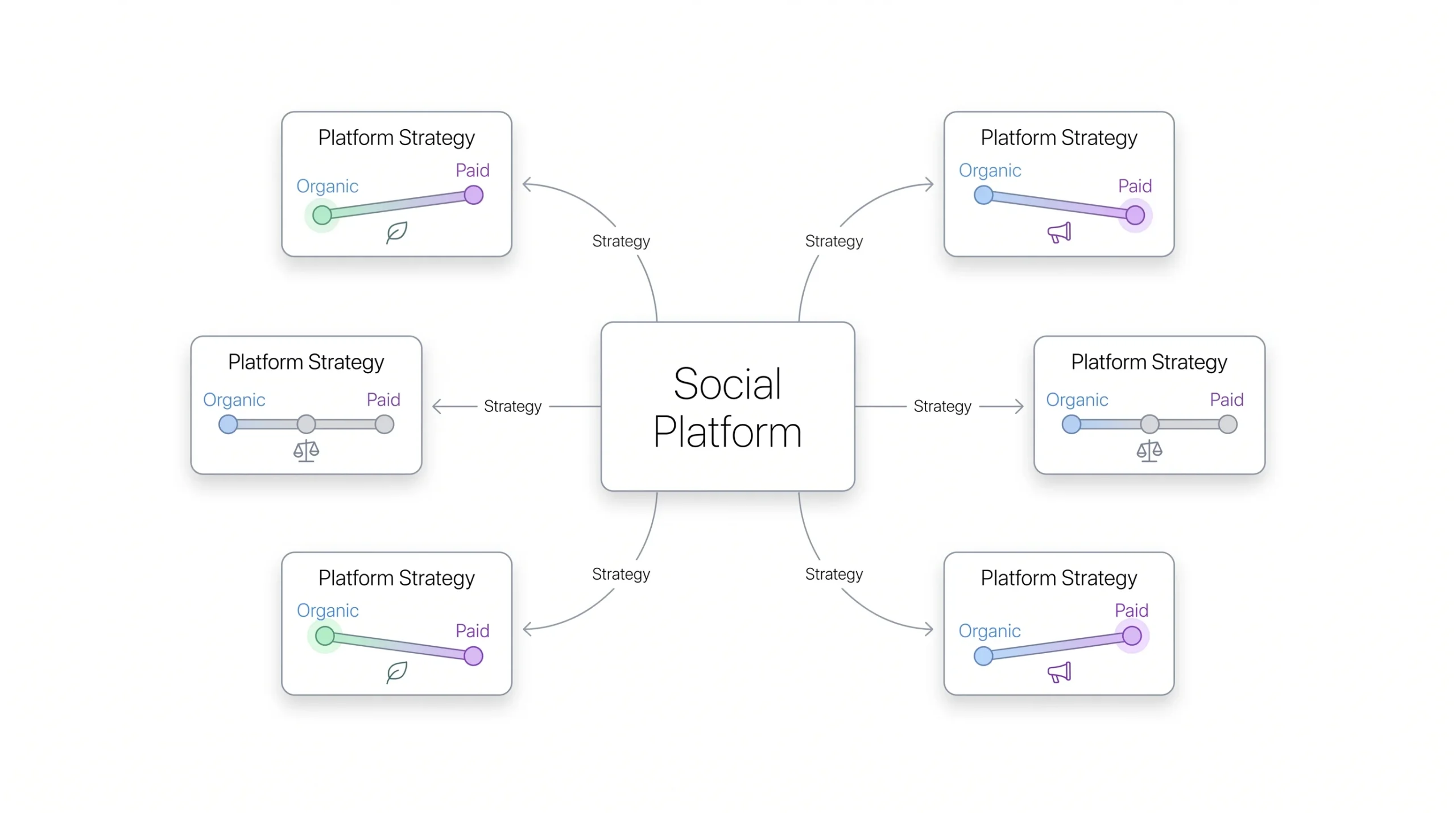
Here’s something most “organic vs paid” content skips over completely. The balance isn’t the same across every platform. Where your audience actually lives changes how much weight organic vs paid should carry, and pretending Instagram and LinkedIn behave the same way is just not accurate.
Instagram still rewards organic reasonably well, especially through Reels, and it’s a strong community-building platform. But its targeting for paid, through Meta’s ad system, is also genuinely excellent, which makes it a solid all-rounder for both.
Facebook’s organic reach has been rough for years now, groups aside. Where it really earns its spot is paid targeting. Meta’s ad targeting granularity is still some of the best out there, particularly for local businesses and retargeting.
LinkedIn is the opposite of what people expect. Organic thought leadership posts genuinely travel well there and build real B2B trust. Paid works too, but expect to pay more per click than almost anywhere else, so it’s better reserved for high-intent lead generation rather than broad awareness.
YouTube rewards organic in a different way, through search and long-term authority. A well-optimized video keeps getting found for years. Paid there works best for awareness through pre-roll placements.
X is still a decent place for organic engagement in real time, especially around news and industry conversation. Paid tends to be cheaper there than other platforms, good for awareness and riding trending topics.
TikTok remains one of the few platforms where a brand new account with zero followers can still get real organic reach, which is honestly rare these days. Spark ads let you amplify content that’s already gaining traction organically, which tends to outperform cold ad creative.
Here’s the practical takeaway from all of this: a brand running the same organic-to-paid ratio across every platform is almost certainly getting it wrong somewhere. A B2B company pouring most of its budget into TikTok ads while treating LinkedIn as an afterthought is fighting its own audience. Same goes for a D2C brand ignoring Instagram Reels in favor of heavy LinkedIn posting. Match the effort to where the actual buyers are spending time, not to whichever platform feels trendiest to talk about internally.
| Platform | Organic strength | Paid strength | Best used for |
|---|---|---|---|
| Community, visual storytelling, Reels reach | Precise interest/lookalike targeting | B2C brand building and retargeting | |
| Groups, local community | Best-in-class targeting granularity | Local business, retargeting, e-commerce | |
| Thought leadership, B2B trust | High-intent B2B lead gen (higher CPC) | B2B awareness and lead generation | |
| YouTube | Long-form authority, searchability | Pre-roll reach for awareness | Education-led brands, tutorials |
| X (Twitter) | Real-time engagement, reputation | Lower-cost awareness, trend-riding | News-sensitive, tech, finance brands |
| TikTok | Explosive organic reach for new accounts | Spark ads amplifying viral content | Younger audience, product discovery |
How to Decide: A Framework Based on Goals, Stage, and Budget
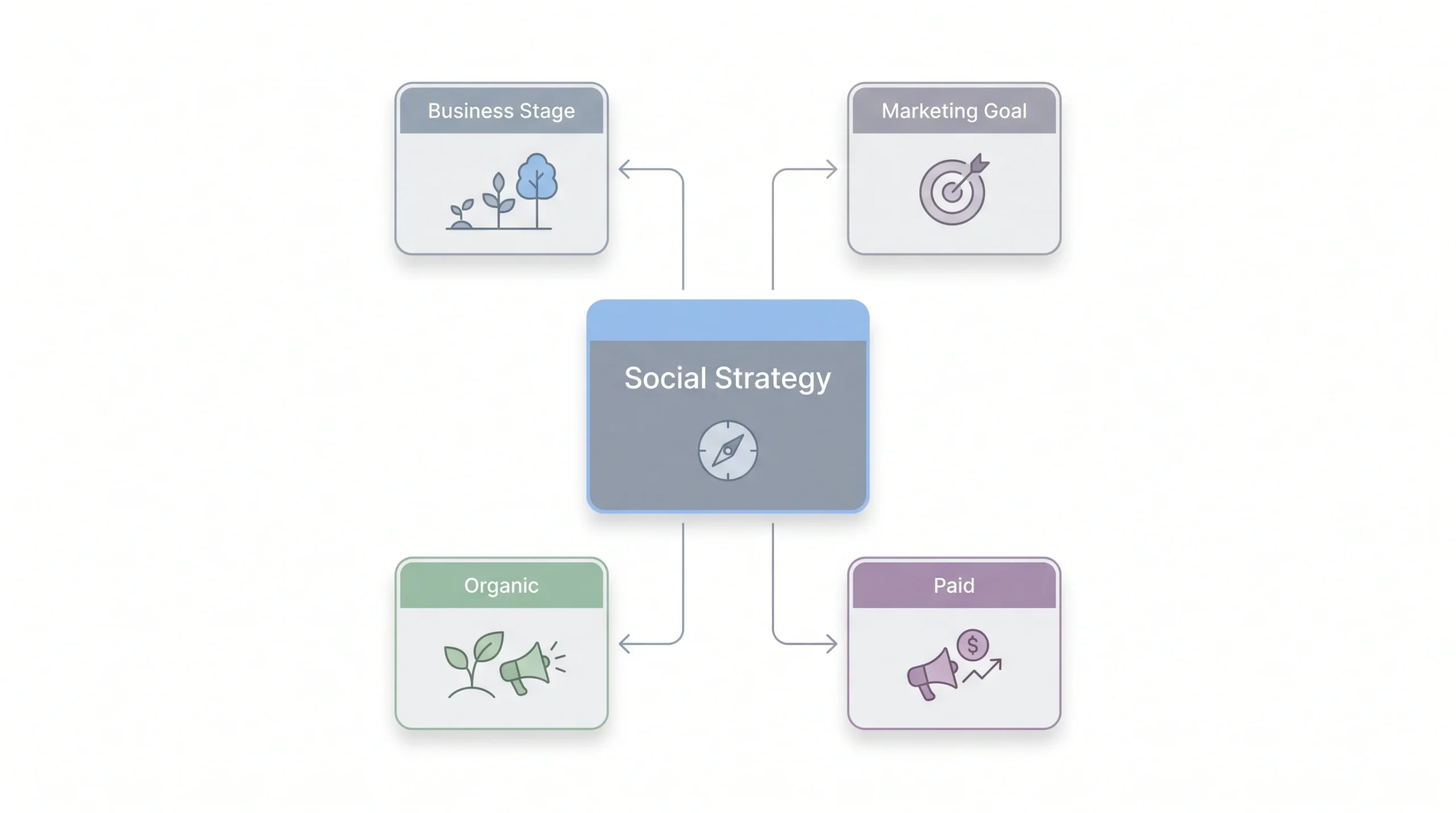
Most advice on this topic stops at “it depends on your goals,” which is technically true and also completely useless. Here’s something that actually gives you a starting point instead of leaving you to figure it out blind.
Two variables matter most here, and most frameworks only look at one of them. The first is where the business actually stands right now, not where it wants to be in a year. A five-person startup and a company that’s been running for a decade have completely different starting points, even if they’re chasing the exact same social media goal this quarter. The second is what specific outcome is being chased this month, because that shifts a lot faster than business stage does. A brand can be organic-led overall and still need a paid-heavy push for two weeks around a launch. Both variables need to be in the room at the same time, which is why one table alone never quite gets it right.
Start with your business stage. A brand new business with no audience needs paid leading the charge, simply because there’s no existing reach to lean on. Organic still matters here, it’s building the profile that paid traffic lands on, but it’s not going to be doing the heavy lifting yet. A growing brand with some traction can run closer to a balanced split, using organic to keep proving out messaging while paid scales whatever’s working. An established brand with a loyal following can lean organic-led, saving paid mostly for launches and retargeting rather than baseline awareness.
| Stage | Primary channel | Why |
|---|---|---|
| New brand, no audience | Paid-led, organic-supported | Zero existing reach means paid is the fastest way to get in front of anyone |
| Growing brand, some traction | Balanced split | Organic proves messaging, paid scales what works |
| Established brand, loyal community | Organic-led, paid-supported | Existing trust reduces reliance on ads; paid mainly for launches/retargeting |
Then layer in the actual goal, because stage alone doesn’t tell the whole story.
| Goal | Recommended approach |
|---|---|
| Brand awareness (new audience) | Paid |
| Community and trust building | Organic |
| Lead generation | Paid, with organic nurture after |
| Customer retention | Organic |
| Product launch | Paid, backed by organic teaser content |
| Testing messaging or creative | Organic first, then paid to scale winners |
Run these two tables together and you’ll have a real starting point instead of a shrug.
Worth flagging: these two frameworks can pull in different directions sometimes, and that’s fine. An established brand (organic-led by stage) launching a new product (paid-led by goal) should lean paid for that specific campaign, then drop back to organic-led once the launch window closes. The stage tells you your default setting. The goal tells you when to temporarily override it. Neither one is meant to be a permanent, unmoving rule.
Budget Allocation: How Much Should Go to Paid vs Organic
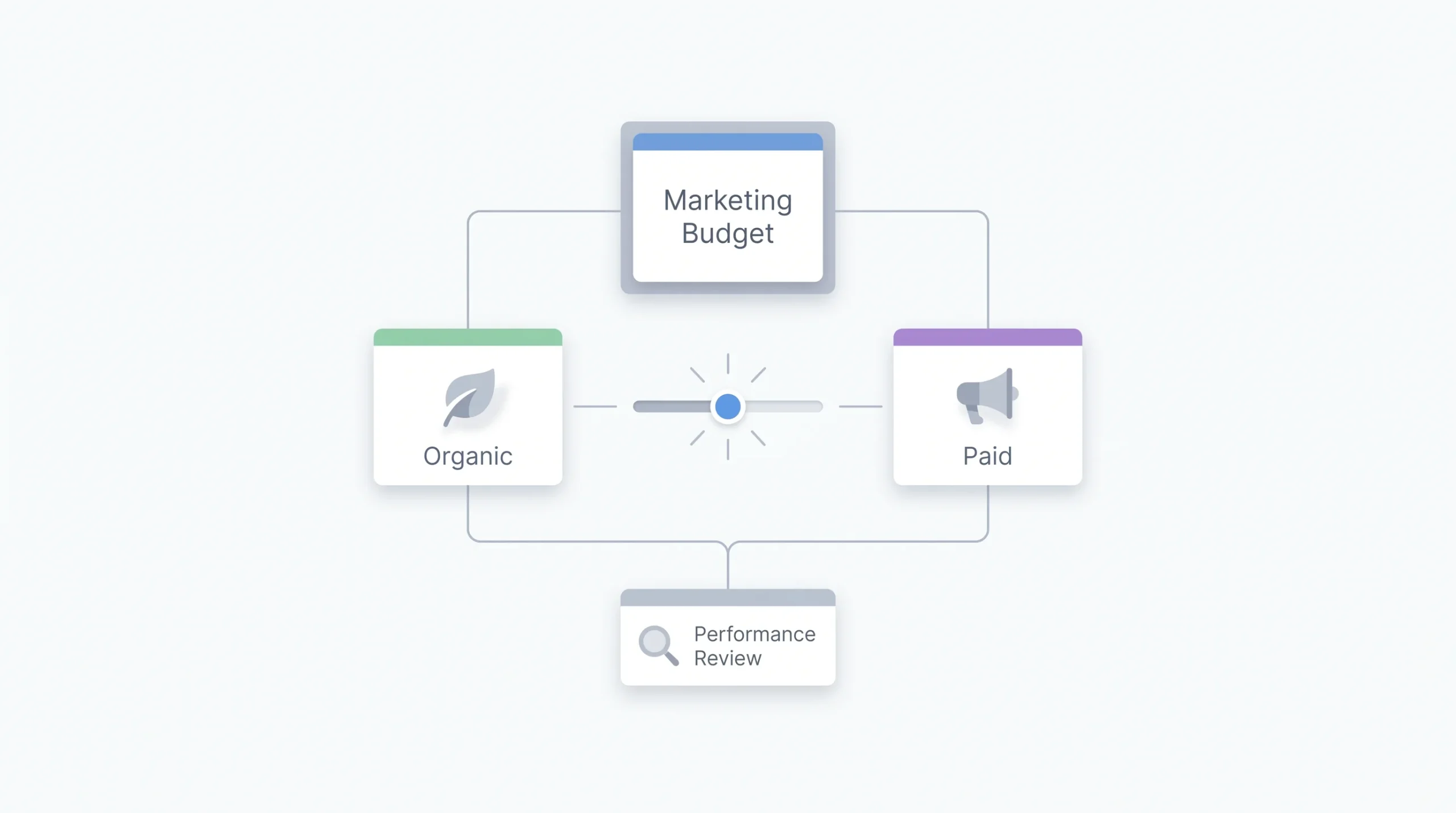
There’s no universal percentage here, and anyone who hands you one without asking about your stage and goals first is guessing. But there is a logic worth following. Newer brands with low recognition tend to need a heavier lean toward paid spend early on, simply because organic hasn’t had time to build any momentum yet. As that organic traction builds, and as your paid cost per acquisition starts climbing (which it will, eventually, on almost every platform), that’s the signal to start shifting the ratio back toward organic.
Content production isn’t free either, even without ad spend attached to it. Someone’s time goes into writing, shooting, and editing that organic content, and that should get counted as a real cost, not treated like it doesn’t exist just because it’s not showing up on an ad invoice.
Watch for a few specific signals that tell you it’s time to rebalance: rising CPMs that make paid less efficient than it used to be, organic reach that’s plateaued despite consistent posting, or seasonal spikes where one channel clearly needs more weight than the other for a short stretch.
Track cost-per-follower and cost-per-lead separately for organic and paid. If paid CAC creeps above what organic is delivering at the same funnel stage, that’s your signal to rebalance.
A lot of teams also make the mistake of setting a budget once a year and never touching it again. That’s backwards. Social platforms shift constantly, auction prices move with seasonality and competition, and what was efficient in January can be expensive by June. Treat the paid-to-organic ratio as something to revisit quarterly at minimum, not something to set and forget. And build in room to react fast when something organic suddenly takes off. If a post is clearly outperforming everything else that week, that’s exactly the moment to pull budget from somewhere else and put it behind that post while it’s still hot.
Mapping Organic and Paid to the Marketing Funnel (TOFU/MOFU/BOFU)
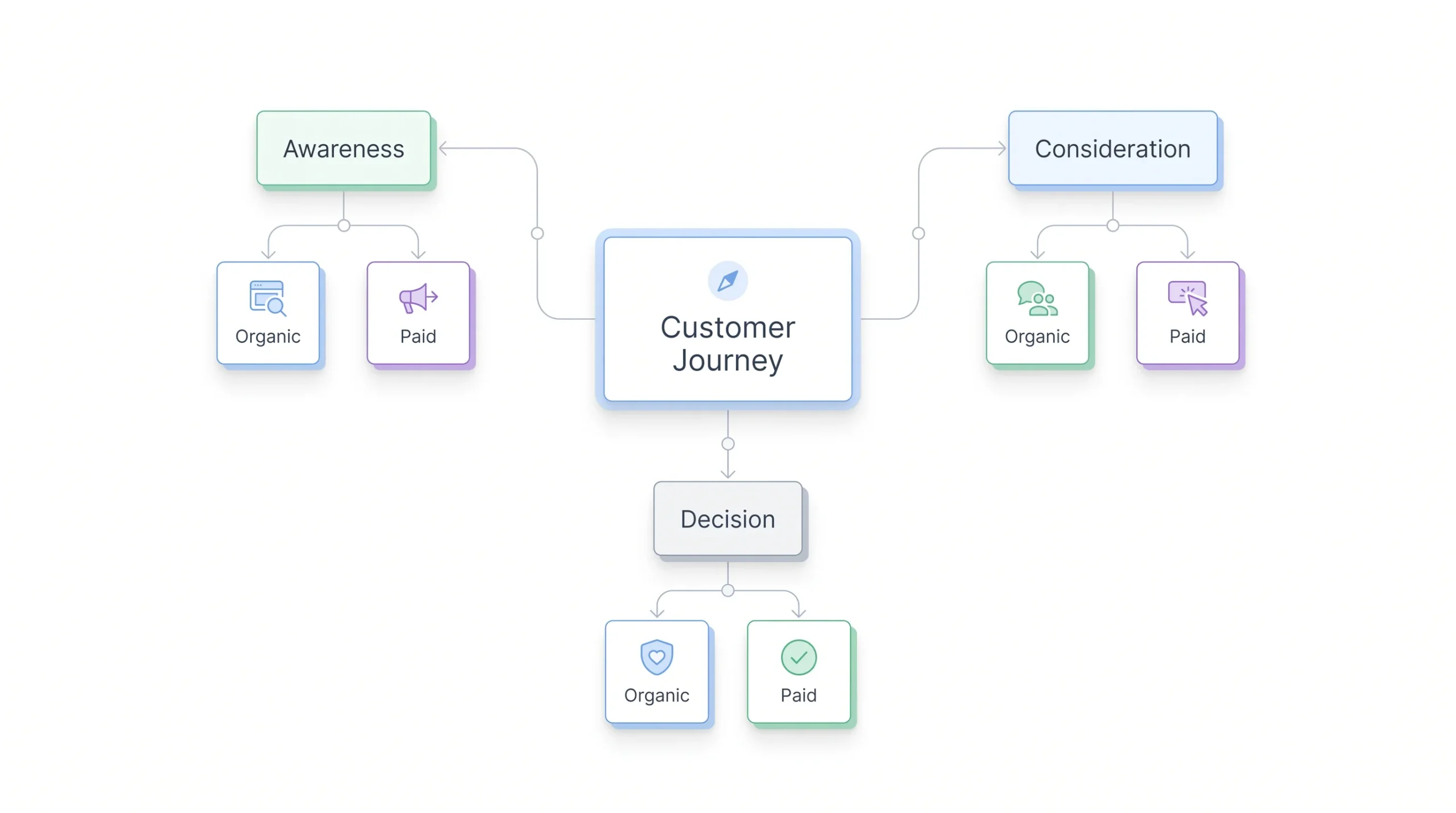
Breaking this down by funnel stage makes the whole “when to use each” question a lot less abstract, because the role each channel plays actually shifts depending on where someone is in their journey with your brand.
At the top of the funnel, the goal is just getting discovered. Organic’s job here is building a voice worth noticing, shareable content that gives people a reason to stop scrolling. Paid’s job is broad targeting, putting that content in front of people who’ve never heard of you yet.
In the middle of the funnel, the goal shifts to building trust. Organic does this through educational content, social proof, actually replying to comments and DMs instead of ignoring them. Paid steps in here through retargeting, showing up again for people who already visited your site or engaged with something, and building lookalike audiences off your best customers.
At the bottom of the funnel, it’s about driving the actual decision. Organic supports this with testimonials and UGC, the kind of proof that makes someone feel confident hitting buy. Paid handles the direct push, conversion-focused ads, specific offers, one more retargeting touch to close the loop.
| Funnel stage | Primary role | Organic’s job | Paid’s job |
|---|---|---|---|
| TOFU (awareness) | Get discovered | Build brand voice, shareable content | Broad targeting to reach new audiences |
| MOFU (consideration) | Build trust | Educational content, social proof, replies | Retargeting site visitors, lookalike audiences |
| BOFU (decision) | Drive conversion | Testimonials, UGC, DMs and comments | Conversion-focused ads, offers, retargeting |
One thing worth being honest about: people rarely move through these stages in a straight line. Someone might see a BOFU-style offer ad before they’ve ever seen a single piece of TOFU content, especially if they found the brand through a friend’s recommendation instead of a social post. The funnel is a useful mental model for planning content and budget, not a rigid path every customer follows in order. Plan for all three stages to be running at once, because your audience is scattered across all three at any given moment, not moving through them in a neat queue.
Measuring Success: KPIs for Organic vs Paid
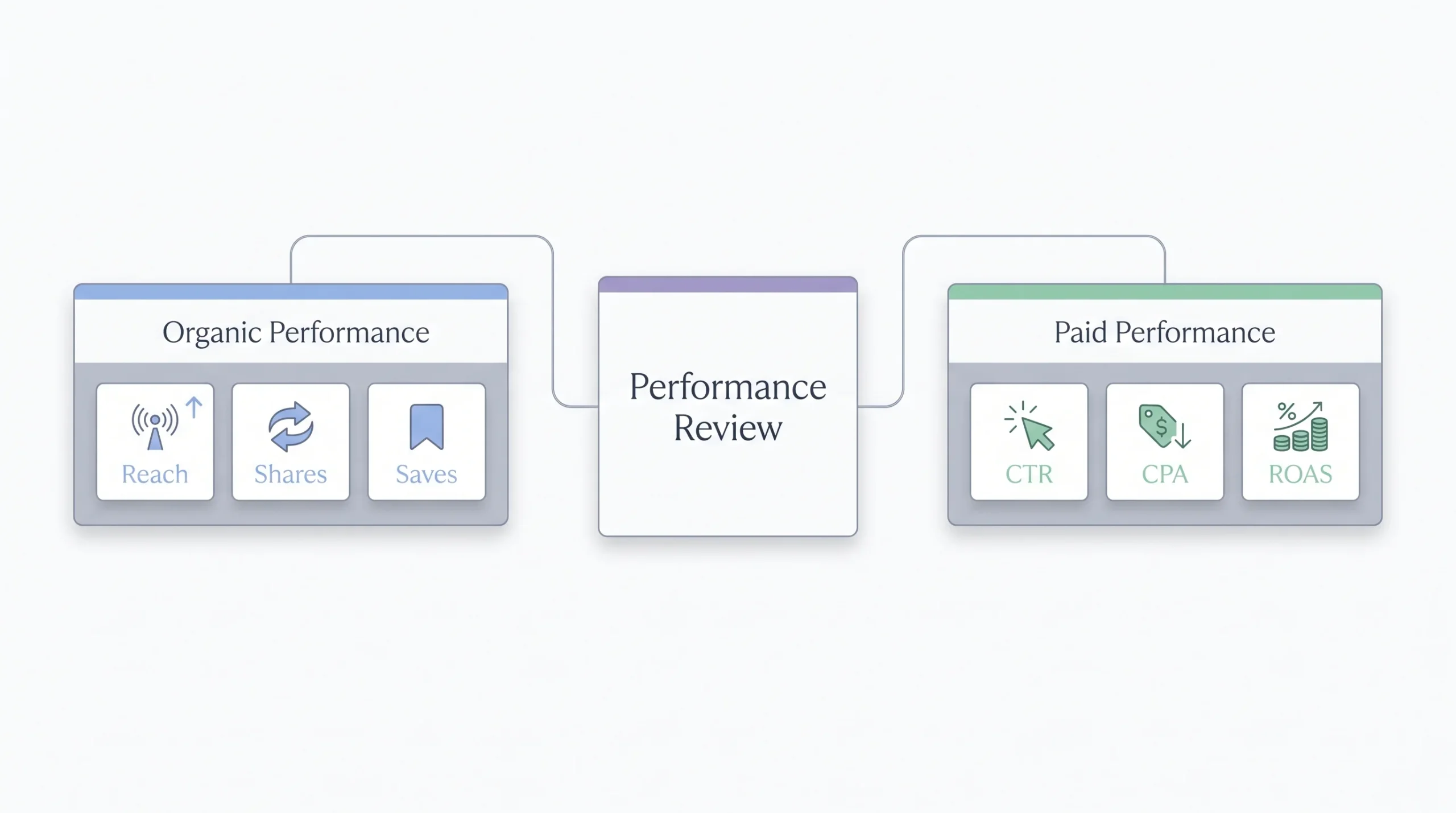
Judging organic and paid by the same metrics is one of the more common mistakes people make, and it sets both channels up to look worse than they actually are. Organic should be judged on things like reach, impressions, and follower growth, because that’s genuinely what it’s built to deliver. Trying to hold organic to a strict cost-per-acquisition standard misses the point of what it’s for.
Paid, on the other hand, absolutely should be held to hard numbers. Click-through rate, cost per click, cost per acquisition, return on ad spend. That’s the whole advantage of paid, everything’s trackable, so use that.
Frequency deserves a special mention on the paid side, since it’s the metric people check least and probably should check most. It tells you how many times, on average, the same person has seen your ad. Climbing frequency alongside a falling click-through rate is basically the platform telling you that the same crowd is getting tired of seeing the same thing. That’s not a targeting problem, it’s a creative fatigue problem, and no amount of budget increase fixes it. The fix is new creative, not more spend on the old creative.
On the organic side, save rate and share rate deserve more attention than they usually get. Likes are easy and mean less than people think. A save means someone found the content useful enough to want to come back to it. A share means someone was willing to put their own name next to it in front of their audience. Both of those are stronger trust signals than a like will ever be, and they’re a better early indicator of what’s worth putting paid budget behind later.
| Metric type | Organic KPIs | Paid KPIs |
|---|---|---|
| Reach | Reach, impressions, follower growth | Impressions, reach, frequency |
| Engagement | Likes, comments, shares, saves | CTR, engagement rate |
| Cost | No direct cost (time/content investment only) | CPC, CPM, CPA |
| Conversion | Referral traffic, DMs, link clicks | Conversions, ROAS, cost per lead |
Building a Hybrid Strategy: Step-by-Step
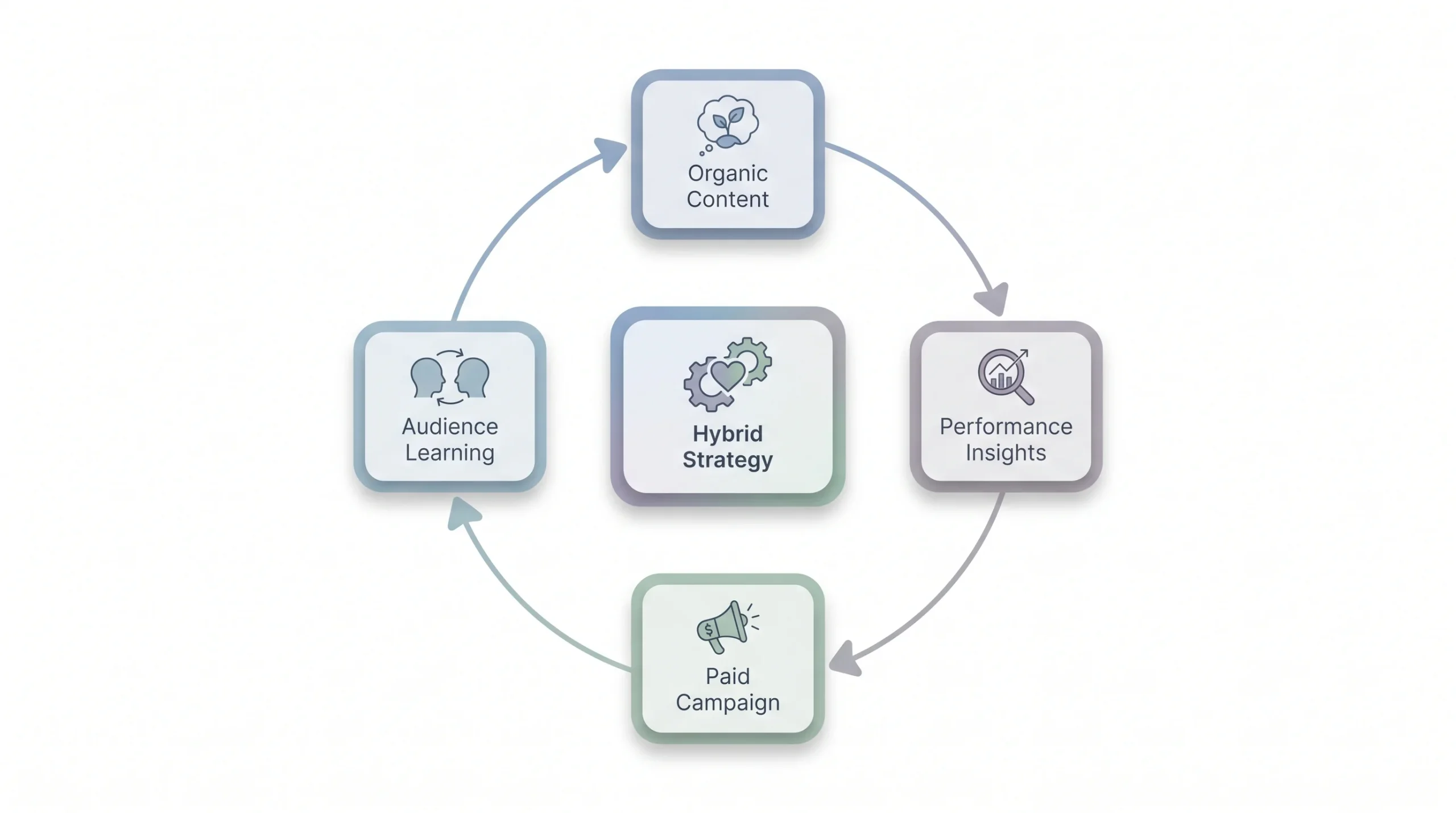
Running organic and paid side by side isn’t complicated, but it does need to be intentional, or you end up with two disconnected efforts that don’t feed each other at all. Start by setting separate goals for each channel that still connect to the same bigger picture, so organic and paid aren’t working in isolation or, worse, sending mixed signals.
Use organic as the testing ground first. Post the content, watch what actually gets engagement, and treat that as free market research before spending a dollar on it. Once you can see which posts are clearly outperforming the rest, that’s your signal. Put budget behind those specific posts instead of building brand new ad creative from a blank page every time, since amplifying something proven tends to outperform a cold start.
And don’t let the insights stay locked in the ads dashboard. Whatever you learn from paid targeting, which audiences respond, which angles convert, feed that straight back into the organic content calendar. The two channels should be talking to each other, not running as separate departments that happen to post on the same platforms.
None of this works as a one-time project either. It’s a loop, not a checklist you finish once. Post, watch, boost the winners, learn from the paid data, feed it back into the next round of organic content, repeat. Brands that treat it as a loop keep getting sharper over time, because every cycle hands them better information than the last one. Brands that treat it as a one-time strategy document tend to run the same playbook for a year and wonder why performance flattens out. The loop is honestly the whole strategy. Everything else in this post is just context for running it well.
There’s also a practical operations side to this that’s easy to overlook. Whoever runs organic and whoever runs paid, even if it’s the same person wearing two hats, need a shared view of what’s performing. A simple shared doc or dashboard, updated weekly, showing top organic posts by engagement and top paid ads by conversion, is enough to keep both sides pointed in the same direction. It doesn’t need to be complicated. It just needs to exist and actually get checked.
- Set separate but connected goals for organic and paid
- Use organic as the testing ground for messaging and creative
- Identify top-performing organic posts using engagement data
- Boost or scale proven organic content instead of building paid creative from scratch
- Feed paid audience insights back into organic content planning
Real Brand Examples
Look at how brands with strong, recognizable personalities tend to operate. They don’t lead with the product in their organic content, they lead with story, culture, identity, whatever makes someone feel something before they’ve even considered buying. Then paid comes in around specific moments, a launch, a seasonal push, a limited release, and scales the message that’s already resonating instead of introducing a brand new one cold.
Compare that to brands entering a market they’ve never touched before. There’s no existing audience to lean on organically, so paid does the heavy lifting early just to get any visibility at all. Once that initial traction builds and there’s an actual community forming, the organic side starts carrying more of the weight, and paid shifts toward retargeting and specific campaigns rather than baseline awareness.
The pattern holds pretty consistently across industries. Organic earns the relationship. Paid scales the moments that are already working. Reverse that order, and it tends to underperform no matter how big the budget is.
Smaller, less-followed brands show this pattern too, not just the household names. A local service business that spends a year answering every comment, showing the actual people behind the work, and posting real customer results tends to get more mileage out of a small paid budget later than a competitor who skipped straight to running ads with none of that groundwork in place. The paid spend isn’t doing anything fundamentally different in either case. What’s different is what it’s landing on.
Conclusion
So back to the original question. Organic or paid, which one should you actually be doing? Neither answer alone is right, and at this point that shouldn’t be surprising. Stage and goal decide where you start. Funnel position decides which channel is doing the heavier lifting at any given moment. And the ratio between the two should never sit still, because what worked six months ago probably isn’t what’s working now.
The real move isn’t picking a side. It’s starting with organic to figure out what actually resonates, then putting budget behind the parts that are already proving themselves. Do that consistently, and the whole organic versus paid debate stops feeling like a debate at all.
Pick one thing from this post and act on it this week instead of trying to fix everything at once. Look at the last ten organic posts, find the one with the strongest engagement, and put a small amount of budget behind it. That single move teaches more about what’s actually working than another month of debating budgets in a planning meeting ever will.
FAQs
Is organic or paid social media better for small businesses?
Depends on the runway. If there’s zero budget for ads, organic is the only option, and that’s fine, it just means growth takes longer and needs more consistency. But if there’s even a small budget available, a mix usually beats organic alone, since a new small business often has no existing audience to lean on. Paid gets that first wave of visibility while organic builds the trust layer behind it.
How much should a small business spend on paid social media?
There’s no fixed number that applies across the board, and anyone who gives you one without knowing your industry, goals, and current traction is guessing. What matters more than the exact figure is starting small, watching cost per result closely, and scaling up only once a campaign proves it’s actually working. Throwing a large budget at an untested campaign is how money gets wasted fast.
Can you succeed on social media with organic only?
Yes, it’s possible, especially on platforms like TikTok where organic reach for new accounts is still genuinely strong. But it takes longer, needs more consistency, and depends heavily on the algorithm cooperating, which it doesn’t always do. Brands that pull it off usually post relentlessly and lean hard into whatever format the platform is currently favoring. It’s a slower road, not an easier one.
Do you need paid social media if you already have a large following?
A large following doesn’t guarantee reach anymore, since algorithms don’t show every post to every follower. Established brands with real audiences can lean more on organic day to day, but paid still earns its place for launches, entering new markets, or retargeting people who’ve shown interest but haven’t converted yet. Big following or not, paid still does things organic simply can’t.
How long does it take for organic social media to show results?
Longer than most people expect going in, and it’s rarely a straight upward line. Consistent posting for a few months is usually the minimum before real traction starts showing, and that’s assuming the content itself is actually good and the posting stays consistent the whole time. Anyone promising fast organic growth on a fixed timeline is either selling something or hasn’t run a real account.
What’s the difference between boosting a post and running a full ad campaign?
Boosting takes something already posted and pays to widen its reach, nothing more. A full campaign is built from the ground up around a specific goal, with proper audience targeting, split-tested creative, and conversion tracking attached to it. Boosting works fine for a quick push behind a post that’s already performing. It’s not a substitute for an actual campaign with a defined objective.
Should ecommerce brands lean more toward paid or organic?
Paid usually carries more weight for ecommerce, mainly because retargeting and conversion tracking are so effective for driving direct sales. That said, organic still matters for building the kind of trust that makes someone comfortable buying from a brand they’ve never bought from before. The strongest ecommerce accounts tend to run both, using organic for product storytelling and UGC, paid for retargeting and driving the actual purchase.
Does follower count matter for paid ads to work?
Not really, no. Paid ads can reach a targeted audience regardless of how many followers a brand’s own profile has, since the ad shows up based on targeting, not on who already follows the account. That said, a low follower count can still hurt conversion once someone clicks through and checks the profile before buying. The ad doesn’t need the followers. The trust-building afterward benefits from them.
Is it a mistake to run paid social media for just a short campaign and then stop?
Not necessarily, short bursts of paid make sense for specific moments like a launch or a limited-time offer. The mistake is expecting those short bursts to leave lasting momentum behind once the spend stops, since paid results generally don’t compound the way organic does. Run it for the moment it’s meant for, and don’t expect the reach to carry over once the budget’s gone.
How do influencer collaborations fit into organic vs paid?
It depends on how the post is running. An influencer posting about a brand on their own account without payment or a formal deal leans organic in spirit, even though it’s not the brand’s own channel. Once money or product is exchanged for a post, especially one with paid promotion or a sponsored tag behind it, that’s functionally paid media, and it should get measured with paid-style metrics, not organic ones.
How often should the organic-to-paid budget split get reviewed?
At minimum, once a quarter, since costs and platform behavior shift more often than people expect. It’s also worth revisiting anytime something changes significantly, a big jump in ad costs, a plateau in organic reach, or a sudden spike in performance on one side that suggests it’s time to shift weight toward it. Setting the split once a year and never touching it again usually means missing a lot of easy wins along the way.
What’s the biggest sign that it’s time to start using paid social media?
Organic content that’s clearly resonating, good engagement, comments, shares, but reach that’s stuck because there just aren’t enough existing followers to push it further. That’s usually the clearest signal. The messaging works. It just needs more people to see it than the algorithm is currently willing to hand over for free. That’s exactly the situation paid is built to solve.